Betting Smart at the National: What Past Winners Can Teach Us
 admin
admin  The Grand National is a beast of a race. About four miles, big fences, a huge field and a crowd that makes the hairs on your neck stand up. You can’t tame it, but you can learn from it. Look back at past winners and you’ll spot habits — not guarantees, just useful clues. Use them to shape smarter bets, not to pretend you’ve found a magic formula.
Read the stamina, not the sparkle
Flashy wins over short trips are lovely to watch, but the National is about staying power. Horses that have shown they can finish strongly over long distances tend to do better than those whose best form is over two miles. It’s simple: if a horse fades badly in the last half-mile of a prep race, it’s unlikely to suddenly love the official distance of 4 miles and 2 and 1/2 furlongs and 30 fences. So, check the finishing patterns. Did it come home with energy? Or did it peter out?
Age and experience matter — usually
You’ll notice winners often sit in a middle band of age. Very young horses can be raw; very old ones may be past their peak. Experience over fences, and in big fields, is a real asset. That doesn’t mean an eight-year-old is a lock, but it does mean you should value a horse that’s been around the block and handled pressure before. Jockey experience counts too — a calm, seasoned rider can steer a horse through chaos.
The going can flip the script
Aintree’s going changes the race. Soft ground turns the contest into a slog; good ground makes it faster and favours different types of runners. Some horses love mud and will relish a heavy track; others need firmer turf to show their best. Don’t ignore the official going report on the day — it can turn a longshot into a contender or a favourite into a liability.
Handicaps, weight and the long haul
This is a handicap race, which means weight matters more than in some other big events. Carrying extra pounds over four miles is a test. Look at how a horse has coped with weight in previous staying handicaps. Has it carried top weight and still finished well? Or does it struggle when the burden rises? Small differences add up over a long trip.
Value beats vanity
People love backing big names and short-priced favourites. That’s human. But the National is famous for surprises. Value betting — finding horses whose odds are longer than their realistic chance — is a smarter long-term approach. Before you bet on the Grand National, it’s worth asking whether favourites truly live up to expectations — or if history tells a different story. Since 2008, only five favourites (or joint favourites) have won the race, arguing for looking past the top of the market. Spread your stakes, don’t bet the house, and treat the race as entertainment with a strategy, not a life-changing event.
Final thoughts
History gives you edges, not certainties. The National will always have an element of mayhem; that’s part of its charm. Use past winners to inform your choices: stamina, age and experience, going preference, and how weight has affected form. By combining those factors into a simple checklist, you’ll be placing smarter wagers and getting more value when you bet on the Grand National.
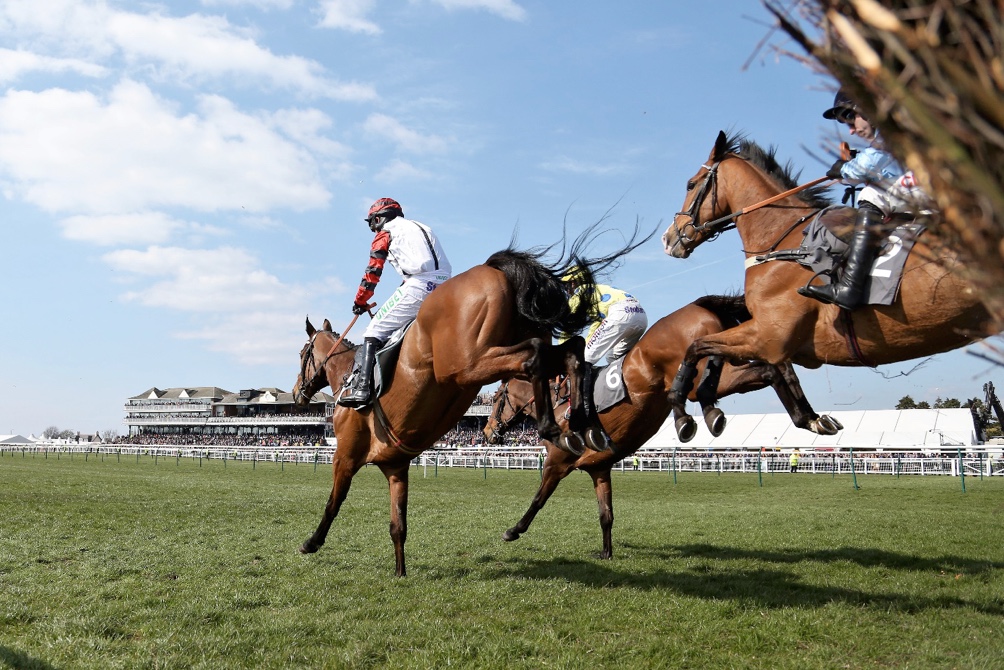 Steeplechasing is a proper test in jump racing. The fences are big, the ground can turn in an instant, and the races often demand more heart than flair. It’s the kind of racing where you quickly learn which horses cope with pressure – and which don’t. For fans and anyone