admin

Grand National betting trends shift as younger UK audiences embrace mobile-first wagering

The Grand National has always been more than a horse race. For generations, it has been a shared ritual, a sweepstake tradition, a once-a-year moment when casual viewers and dedicated racing fans alike focus on Aintree’s famous fences. The scale of interest has not changed. The way people engage with it, however, clearly has.

In recent seasons, betting patterns around the race have begun to reflect a broader shift in UK gambling behaviour. Younger audiences, in particular, are far more likely to place their bets through mobile apps and digital platforms rather than in betting shops or by phone. That change is subtle, but it is reshaping how the Grand National is experienced before, during and after the race itself.

A race that still anchors the betting calendar

By any measure, the Grand National remains one of the defining events of the British sporting year. Its mix of history, unpredictability and national attention continues to draw in both committed racing followers and people who might place only one bet all year.

What is different now is not the appeal of the race, but the route people take to engage with it. Industry data suggests that around 9 per cent of the UK population now participates in online sports betting, underlining how digital channels have become a normal part of the wagering world rather than a niche alternative.

That shift toward online participation helps explain why the Grand National’s audience increasingly approaches the day through apps and websites rather than physical betting shops.

The mobile-first generation arrives at Aintree

For many younger adults, the smartphone is the default way to interact with sport, media and entertainment. Betting fits neatly into that pattern. Instead of planning wagers days in advance, many now check form, prices and previews while commuting, scrolling, or watching the build-up coverage.

On Grand National day, this often means the experience is split across screens. The race is on the television. The data, odds and analysis are in hand. Bets are placed closer to the off, sometimes after watching the horses in the parade ring or listening to last-minute commentary.

In practice, mobile wagering tends to revolve around a few common habits:

  • Checking prices and form during the build-up rather than the night before
  • Placing bets closer to the start once the field and conditions are clearer
  • Using apps that combine race cards, statistics and betting tools in one place

This does not replace the tradition of studying the race. It changes the timing and pace of how many people now do it.

Tradition, history and the pull of the story

None of this diminishes what makes the Grand National special. The race’s history, its famous winners and its catalogue of dramatic finishes still form the emotional core of its appeal. For many fans, looking back at past champions and memorable renewals remains part of the annual ritual.

That sense of continuity matters. The Grand National works because it blends tradition with uncertainty. The fences are the same. The challenge is the same. The outcome is never guaranteed. Mobile-first betting habits simply sit on top of that, adding a layer of immediacy to an event that has always invited speculation and debate.

Betting in a wider digital gambling world

It also helps to see Grand National betting as part of a broader digital gambling environment, not as a standalone activity. This is especially clear when looking at Ireland, where digital participation continues to grow. Recent market analysis indicates that around 14.4 per cent of Ireland’s population took part in online gambling in 2024, highlighting how normalised app-based and web-based gambling has become across the Irish market as well.

Within that wider context, sports betting increasingly sits alongside other forms of online play. Looking at online slots in Ireland is part of the same digital ecosystem, not because they are directly connected to horse racing, but because they reflect how gambling habits have become app-based and cross-category.

A useful reference point here is Casino.org’s Ireland slots guide, which explains how online slots work, outlines different game types and covers the broader online casino environment in Ireland. Casino.org is a long-running informational site focused on explaining casino games, gambling formats and industry context rather than promoting specific operators. In this setting, it helps illustrate how sports betting and casino gaming now coexist within the same digital platforms and user habits.

A changing relationship with information and timing

One striking feature of mobile-first betting is how information-heavy it has become. Many younger bettors now consume more previews, statistics and analysis before committing to a wager. At the same time, the speed of mobile platforms makes it easier to act quickly, especially during long broadcast build-ups like the Grand National’s.

That combination of deeper information and faster decision-making is one of the defining characteristics of modern wagering and it helps explain why the race day experience now feels more fluid and reactive than it once did.

What this means for the future of the race

The Grand National is unlikely to lose its place as a national sporting moment any time soon. If anything, digital platforms have made it more accessible to casual fans who might not follow racing closely during the rest of the year.

What is changing is the texture of engagement. For younger audiences, betting is increasingly mobile rather than shop-based, tied to live viewing rather than planned days in advance and part of a wider digital gambling environment rather than a single-purpose activity.

The roar of the crowd at Aintree, the drama at the last fence and the stories that emerge from each renewal will always define the race. Around those constants, a new layer of behaviour is taking shape, built around smartphones, apps and real-time interaction and that shift is now a visible part of how the Grand National is followed.

Tips for Following Multiple Sports Without Missing Anything

You’re passionate about football, rugby, horse racing, cricket, and maybe even a bit of darts on the side. But keeping up with everything can be overwhelming, especially when fixtures clash and major events happen simultaneously. The good news is that with the right approach, you can stay informed across all your favourite sports without missing the moments that matter.

Tip 1: Create a Personalised Sports Calendar

Start by mapping out the events that matter most to you. Whether it’s Fulham’s next Premier League fixture, a major racing festival, or an important cricket series, having everything in one place helps you plan your week. Use your phone’s calendar app to set reminders for key matches and races. Block out time for the events you’ll watch live and mark others where you’ll just check the score.

Tip 2: Use Multiple Devices to Your Advantage

When events overlap, technology becomes your best friend. If Fulham is playing while there’s a crucial race meeting on the same afternoon, you don’t have to choose between them. Stream one sport on your laptop, another on your tablet, or check scores on your phone.

Cricket matches work particularly well for streaming because you can dip in and out during slower periods. Football demands more attention, but even having it on in the background while you’re monitoring other sports keeps you connected.

And here’s where it gets interesting: finding free bets at Sporting Life adds another layer of excitement to matches you can’t watch live. Betting sites have all the results and stats updating instantly, so you won’t miss anything. Remember, even just checking the score becomes thrilling when you’ve got something riding on the outcome.

Tip 3: Set Up Smart Notifications

Your phone can do the heavy lifting when you can’t watch every event. Most sports apps let you customise which teams, horses, or athletes you want updates about. Be selective though.

Choose notifications for final scores from your favourite teams, race results from major meetings, and key moments in ongoing matches. This way, you’re informed without being bombarded.

Tip 4: Prioritise Based on What’s Live

Not everything needs your full attention. Some sports are better suited for live viewing, while others work just as well when you catch up later. Football and horse racing benefit most from real-time watching because the tension builds with each passing minute. Cricket and golf unfold more slowly, so you can check in periodically without feeling like you’ve missed half the story.

When it’s a Fulham matchday, that’s likely going to be your primary focus. But you can still keep tabs on a cricket score or check how a horse you’re interested in performed earlier in the day.

Tip 5: Use Highlights and Recaps Wisely

You can’t watch everything live, and that’s perfectly fine. Save time by watching condensed versions of matches you missed. A five-minute highlights reel tells you everything you need to know about most football matches. Race replays let you see the finish without sitting through the entire card.

To Summarise

Following multiple sports doesn’t mean dedicating every waking hour to watching matches and races. Smart use of technology, selective notifications, and strategic time management mean you can stay connected to everything you love.

Focus on what genuinely excites you and use the tools available to fill in the gaps. Checking a score can be just as satisfying as watching the full match when you’re juggling several interests.

The Biggest Horse Racing Festivals in the World

Each horse racing season brings some incredible individual race days, as well as monumental racing festivals spanning multiple days. Many horse racing festivals have remained part of the sports culture throughout the years, with many debuting early in the 1900s and remaining popular today. Horse racing festivals span the globe, each telling its own story and with unique traditions that people follow to this day. Racing festivals offer something unique to the sport of horse racing, attracting thousands of people who tune in to watch the spectacle each year, both offline and online. Commonly, these racing festivals have some of the most lucrative prize pools available, prompting many trainers to plan their racing seasons around the most popular festivals. In this write-up, we will cover some of the most notable horse racing festivals that take place each year on the racing calendar.

Cheltenham Festival – United Kingdom

Britain’s horse racing scene is largely remembered for the traditions and history that make them what it is. Cheltenham Festival is one of the most historic racing festivals in the world, and is a large contributor to the special horse racing scene in the UK. The Cheltenham Festival originated in 1860, and over the years, it has undergone numerous evolutions that have shaped it into what it is today. In modern times, the Cheltenham Festival takes place at the Cheltenham racecourse over 4 days, with each day featuring a championship race, although this is not always the case. Throughout history, the festival has not always been held at Cheltenham racecourse, with stints at Warwick, Liverpool, and the inaugural course at Market Harborough. The festival would take place over three days until 2005, when an additional day was added.


The Cheltenham Festival, in modern times, is widely perceived as the home of jumps racing, featuring some incredible championship races. The most notable race at the Cheltenham Festival is the Gold Cup, which takes place on the Friday, rounding out an incredible week of racing. The Cheltenham Festival is also home to other notable races, such as the Champion Hurdle, Queen Mother Champion Chase, Supreme Novices’ Hurdle, and more. The Cheltenham Festival has seen some incredible upsets over the years, with underdogs shocking the racing world. One of the greatest stories in the Cheltenham Festival history is the Norton’s Coin upset, which many Cheltenham odds providers priced as high as 100/1 before the race started. Underdog stories like this, alongside the incredible traditions the festival holds, are part of what makes the festival so popular in the 21st century.

Royal Ascot – United Kingdom

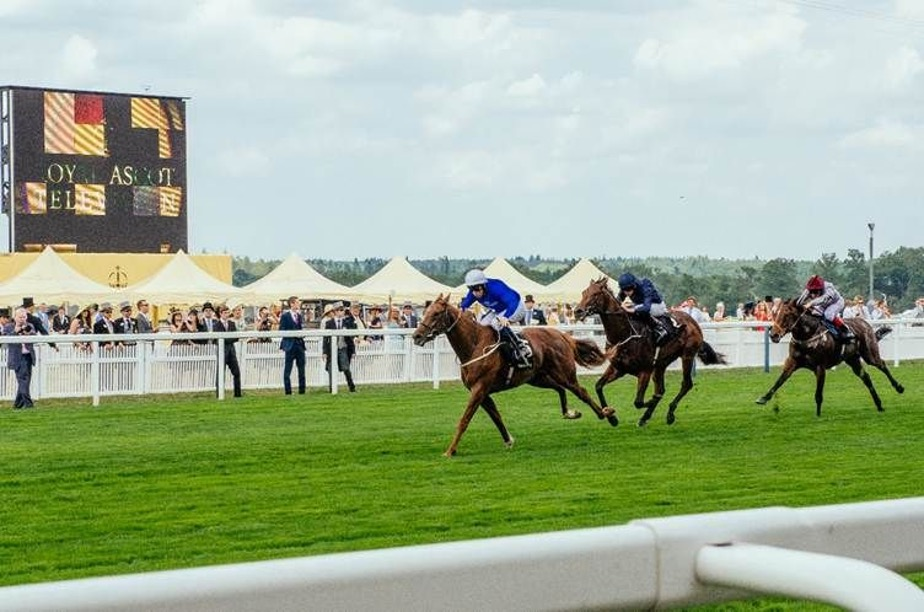
Each year, the Royal Ascot racing festival is held, which has become one of the most prestigious racing events. The festival has become incredibly popular for numerous reasons, most notably the royal tradition and the quality of racing it produces. The racing usually commences in June and spans across 5 days, with members of the British Royal Family attending, alongside the thousands of others. Unlike the previous British horse racing festival that we covered, Royal Ascot will take place on flat ground.


The Ascot Racecourse has been the home of the Royal Ascot festival since its establishment in 1711 by Queen Anne. The festival has taken place at Ascot for all meetings, except for one in 2005, when the course was undergoing renovations, when York Racecourse served as a stand-in host.


The Royal Ascot festival attracts millions each year, with packed-out stands trackside and incredible online viewing figures. The festival is one of the most attractive for all trainers and jockeys, prompting the best horses from the UK, Ireland, France, the USA, Australia, and other countries to make the trip to Ascot Racecourse. Many tune in to watch some of the incredible races during the Royal Ascot festival, including the King Charles III Stakes, Commonwealth Cup, and Gold Cup.

Melbourne Cup Carnival – Australia

Travelling across the seas, we have the Melbourne Cup, which takes place each year in Melbourne, Australia. The racing will take place at the Flemington Racecourse at the end of October or the beginning of November each year. Despite all being part of the same racing festival, the Melbourne Cup Carnival is unique, as races will not take place on consecutive days. Regardless, the event is undoubtedly Australia’s greatest horse racing festival, attracting record viewing numbers each year.


There are four main race days for the festival: Victoria Derby Day, Melbourne Cup Day, Oaks Day, and Champions Day. For many, Melbourne Cup Day is the main event, which, as expected, will host the Melbourne Cup. This singular race features a 2-mile track, run by Group 1 Thoroughbreds. The race offers one of the largest prize pools in horse racing, often attracting many international trainers to bring their horses to compete. Whilst there are other notable races across the festival, Melbourne Cup Day is undoubtedly the most significant, with a rich history dating back to its origins in 1861.


The Impact of Technology at Cheltenham Festival

The Cheltenham Festival stands as one of the most iconic fixtures in British horse racing, celebrated for its rich history, demanding courses and unmatched atmosphere. In recent years, the sport has begun to embrace a wave of technological change that affects many aspects of the Festival and the wider racing industry. Technology is now a part of almost every aspect of modern horse racing, from sophisticated health monitors for horses to improved broadcasting and ways for fans to connect with the action.


These developments are far more than just gadgets to assist in performance, but also look at helping maintain safeguarding and the welfare of horses. As the sport progresses, more technology is implemented in events like Cheltenham, potentially leaving plenty of room for progression and advancing horse racing.

Data and Analytics

Big data in horse racing is no longer just about keeping records; it now provides valuable insights into how horses perform and respond to training. Trainers and their teams are gathering and analysing large amounts of information to understand how each horse reacts to different conditions and exercise routines, helping them make more informed decisions about preparation and care. This kind of analysis helps them plan long-term fitness programmes and spot potential health problems before they become serious issues. Across the sport, such digital tools are gradually complementing traditional knowledge and experience in preparing horses for the rigours of Cheltenham and other major events.

Wearable Horse Technology

Wearable technology for horses has moved from concept to practice, with systems now capable of monitoring vital signs like heart rate and skin temperature in real time. Devices such as equine fitness trackers provide ongoing data that can support veterinary assessment and conditioning programmes. The British Horseracing Authority has even considered using such sensors to explore unexplained incidents during racing by correlating biometric data with race stress and strain. This shift towards continuous monitoring represents a significant step in prioritising animal welfare.

Smart Saddles

Advances in technology are not limited to the horses themselves. Advances in saddlery and rider-worn wearables to enhance performance tracking of jockeys and horses, enabling a better understanding of how races affect both participants. Lightweight sensors and data collection systems help to reveal details that may be overlooked by humans, impacting both training routines and techniques in order to improve performance. Such information supports safer practices and tailored coaching that respects the unique demands placed on riders during National Hunt racing at Cheltenham and similar courses.

Digital Training

Technology has made its way into training yards across the UK, where GPS tracking and motion capture systems are used to analyse gallops, strides and recovery times. These tools allow trainers to fine-tune training programmes and tackle potential issues before they develop into serious problems. By providing a clearer understanding of how a horse handles different workloads, digital training aids can improve preparation for the demanding jumps and pace changes typical of top-level races.

Track Innovations

Racecourse technology has advanced significantly over the years, helping improve not only safety but also the fairness of events. The inclusion of high-definition cameras and more accurate timing systems are just a few advancements in terms of equipment that provide a little bit more detail to the sport. At major meetings such as Cheltenham, this allows stewards and support teams to review close finishes and on-course incidents with greater precision than before. At the same time, life‑like veterinary training mannequins at Cheltenham and other tracks help staff practise and improve their emergency response skills.

Event Tech

Not only on the racetrack, but technology has changed how people experience the Festival, whether in attendance or via a livestream. Platforms now have the ability to handle a large number of spectators while guaranteeing a quality display, which allows people from around the world to connect with Cheltenham’s events. Racecourse infrastructure investments in wireless connectivity also support a richer, more interactive environment for visitors, blending tradition with modern expectations of connectivity and content access at major sporting fixtures. During the build-up to major meetings, broader media coverage also expands, with previews, interviews and general guides frequently appearing alongside topics such as free bet offers, forming part of the wider conversation surrounding the Festival.

Virtual and Augmented Reality

Virtual reality and augmented reality technologies are opening new avenues for engagement well beyond the fences. Immersive experiences can place viewers in a jockey’s perspective or overlay digital information over the real world, bringing race days to life in innovative ways. These approaches appeal to a broad audience by offering depth of involvement that was not possible with conventional broadcast alone, and they illustrate how sport and technology are intersecting to enhance understanding and enjoyment of racing.

The Future of Cheltenham

As research and innovation continue, the future of equine sport promises even greater integration of intelligent systems. Robotics in stable management, as well as sensor networks and AI tools, are slowly emerging into the world of horse racing, potentially set to become a common feature of equestrian activities as a whole. These technologies aim to improve welfare, support decision‑making, and help ensure that festivals such as Cheltenham remain both competitive and responsible in the decades to come.

Which Cheltenham Festival hopefuls took a form hit at the Dublin Racing Festival?

For all the excitement it generates, the Dublin Racing Festival has a brutal side effect for ante-post punters looking to bet on Cheltenham. While some contenders enhance their reputations at Leopardstown, others see carefully built Festival profiles unravel in the space of a single afternoon, with markets reacting fast and often unforgivingly.

This year’s meeting was no different. Several high-profile Cheltenham hopefuls left Dublin with more questions than answers, and in some cases, their Festival credentials took a significant dent.

Final Demand – Brown Advisory bubble burst?

The biggest shock of the weekend came in the Grade 1 Novice Chase, where Final Demand ran a race that few saw coming. The Willie Mullins-trained novice had been one of the shortest ante-post favourites across the entire Cheltenham Festival, trading as low as 5/4 for the Brown Advisory Novices’ Chase and sent off a heavy odds-on favourite at Leopardstown.

What followed was deeply underwhelming. Final Demand never travelled with his usual authority and ultimately finished third of four, beaten over 12 lengths by stablemate Kaid d’Authie. It was the kind of performance that forces a full reassessment rather than a gentle market tweak.

The reaction was immediate. His Brown Advisory price drifted sharply to around 4/1, reflecting both the shock of the run and the depth of alternatives now emerging in the novice chase division. While it would be dangerous to assume he’s suddenly a bad horse, Leopardstown can be unforgiving on an off day, it’s equally hard to ignore just how little he showed when it mattered most.

Lossiemouth – a missed moment?

Lossiemouth’s form hit is more subtle, but potentially just as significant. At last year’s Cheltenham Festival, she was controversially kept to the Mares’ Hurdle, a race she won, rather than being allowed to take her chance in the Champion Hurdle. That decision always felt like a deferral rather than a conclusion, with many expecting her to be a major player in the championship division this season.

However, her defeat in this year’s Irish Champion Hurdle at the Dublin Racing Festival, where she was beaten by Brighterdaysahead, may have finally closed that door. In a season where the Champion Hurdle picture remains fragile and full of gaps, Lossiemouth failed to seize what looked like a genuine opportunity to stamp her authority.

As a result, the Champion Hurdle now looks an increasingly unlikely target next month, with a return to the Mares’ Hurdle the more probable route once again. That isn’t a slight on her ability, but from a market perspective, it represents a clear form hit in terms of championship ambitions.

Marine Nationale – Champion Chase credentials tested

Marine Nationale arrived at Leopardstown as the reigning Champion Chase winner, but left with his aura slightly dulled after finishing a distant second to Majborough in the Dublin Chase. The margin, 18 lengths, told a stark story, particularly as Majborough answered lingering doubts about his jumping with a slick, confident round.

There are mitigating factors. Marine Nationale was encountering heavy ground for the first time, and his performance suggested conditions played a role in blunting his effectiveness. Cheltenham’s Old Course in March is unlikely to be as testing, and Majborough’s jumping, while impressive here, remains something that could come under pressure in a Championship-speed race.

Still, from a market perspective, the balance of power shifted. Marine Nationale went from solid title-holder to horse with something to prove, and that alone represents a form hit, even if excuses can be made.

The Dublin Racing Festival doesn’t just identify Cheltenham contenders, it exposes them. For some, it confirms Festival readiness. For others, it forces punters to confront uncomfortable truths about hype, conditions, or misplaced confidence.

By the time Leopardstown fades from view, Cheltenham markets are rarely the same. And for these hopefuls, the road to March suddenly looks a little steeper than it did before the tapes went up in Dublin.