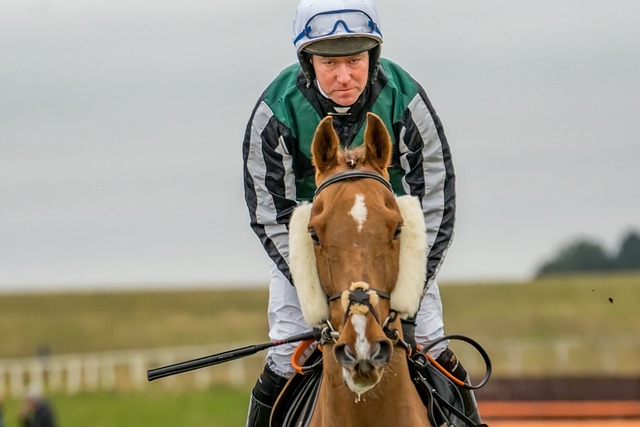
 The Grand National is remembered less as a single race than as a succession of moments, stitched together by names that refuse to fade. Ask a group of racing fans what they recall most vividly and the answers rarely align. One remembers a dramatic fall at Becher’s. Another swears they still hear the roar when the winner emerges from the pack. But almost everyone will name a horse. Not necessarily the winner. Just the one that stayed with them.
This is the peculiar magic of the National. It does not insist on consensus. It invites personal attachment. A horse can finish fourth and still outlive the winner in someone’s memory. Another can be pulled up early yet remains unforgettable because it once carried hope for half a mile longer than expected. The race is democratic in that way, allowing individual meaning to form without instruction.
Some horses become famous because history tells us they should. Red Rum belongs to everyone now, as much a monument as a memory. Others are remembered more quietly, carried in private recollections rather than public record. These are the horses people mention without prompting, the ones that surface years later in conversations that begin, “Do you remember the year when…”
In the build-up to the race, that instinct to attach meaning begins early. Conversations drift from past editions to present speculation. From stories handed down as anecdotes of memorable Cheltenham betting moments to the anticipation that lead to these moments. Long before the tapes go up, people have already chosen the horse they will remember.
Why Memory Chooses Its Own Winner
What makes a horse linger in the mind is rarely performance alone. It is context. The colour of the silks. The way it travelled through the first circuit. The sense, however fleeting, that it might just do something extraordinary. Memory is drawn to near-misses and improbable surges as much as triumphs.
The Grand National and its winners magnifies this because of its scale. With so many runners, attention is constantly shifting. Viewers latch onto movement rather than position. A horse making steady progress through the field can become the focus of a living room, even if it never troubles the leaders. For a few fences, belief becomes vivid, and that is often enough.
The Horses That Belong to Individuals
Every long-standing racing fan has a personal list. Not written down, but stored instinctively. These are the horses tied to specific years, specific afternoons, sometimes specific people. A father’s pick. A horse backed on a whim. One chosen purely because the name felt right.
What matters is not whether the choice was sensible. It is that it created investment. The National rewards that emotional commitment by making every runner visible. For a moment, any horse can appear central to the story.
Why the Grand National Encourages Attachment
Other races are cleaner, more efficient, more easily summarised. The Grand National resists that. Its length and unpredictability create space for subplots. Horses appear and disappear. Fortunes rise and fall in seconds. The race refuses to focus solely on the winner.
This is why memory behaves differently here. People remember movement, effort and defiance. A horse that keeps going when others tire can feel heroic, regardless of where it finishes. The National allows these impressions to matter.
After the Finish Line
Once the race is over, the official result settles quickly. The winner is recorded. The margins are noted. But memory takes a different path. Days later, people still talk about the horse that almost got there, or the one that ran bravely until the final fence. These conversations keep the race alive beyond its conclusion.
In time, details blur. Years collapse into one another. Yet the remembered horse remains distinct. It becomes shorthand for a feeling, a moment when the impossible seemed briefly plausible.Today, many changes have taken place that don’t meet the golden days people recall.
Why That Will Never Change
As the sport evolves, the Grand National’s ability to create personal legends endures. Data grows richer. Coverage becomes more sophisticated. But none of that interferes with the instinct to choose a horse and follow it with unreasonable devotion.
Every year, someone watches the race and fixes their attention on a single runner. They carry that choice through the chaos and into memory. Long after the official winner is forgotten, that horse will remain vivid.
That is the quiet truth of the Grand National. It does not just crown a winner. It creates a thousand private stories, each anchored to a horse someone will always remember.