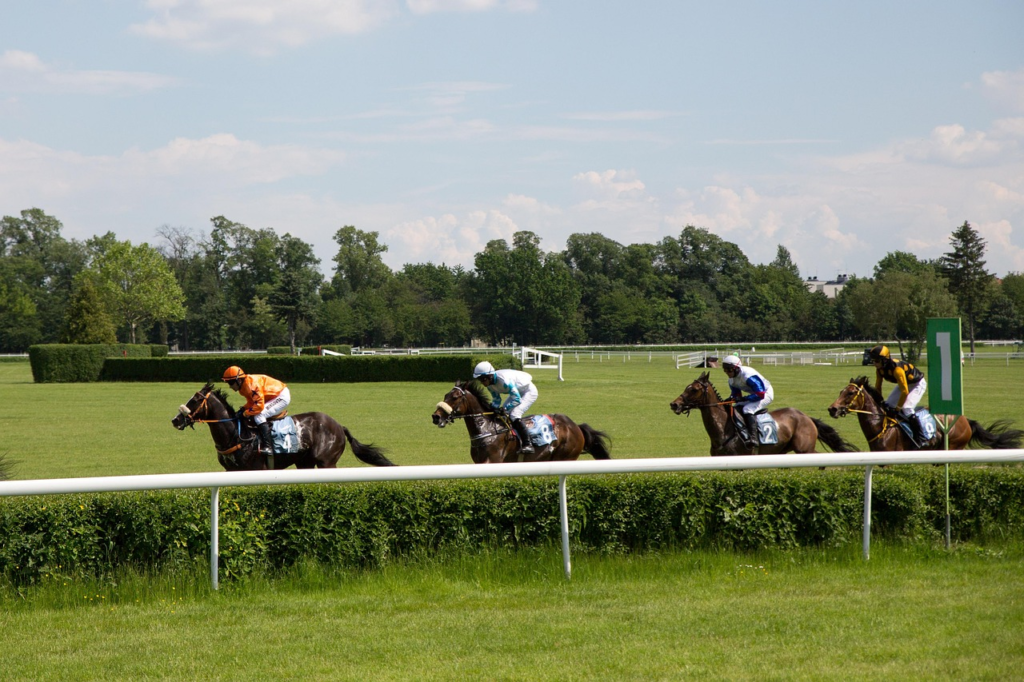
 The Grand National has built a reputation as one of the standout horse racing events in Europe, and it’s easy to see why. Each year, it draws together some of the best jockeys, experienced trainers, and well-prepared horses, all competing on a course that is instantly recognisable to racing fans.
It also holds a strong place in the betting scene. Fans of horse racing betting at Unibet and other platforms look forward to it, often planning their picks in advance. Some focus on outright winners, others prefer each-way bets, while many follow patterns and statistics from previous races to guide their decisions. The variety of options adds another layer of interest to an already high-profile event.
Still, the Grand National is remembered for something more specific. Its fences play a defining role in how the race unfolds. They are not simply obstacles along the track; they shape the rhythm, influence outcomes, and give the race its distinct character.
Why the Grand National Fences Matter So Much
In most races, the focus stays on the winner. At Aintree, attention often shifts to the obstacles themselves. Certain fences are remembered just as clearly as the horses that clear them, which says a lot about their role in the race.
They have a direct impact on how everything unfolds. A runner can arrive in strong form and still be undone by a single mistake. These fences test more than jumping ability; they affect rhythm, positioning, and confidence, especially over a long distance, where small errors can build into bigger problems.
There is also something familiar about them. Even casual viewers tend to recognise names like Becher’s Brook or Canal Turn. Each fence has its own shape and reputation, which gives the race a distinct identity that sets it apart from other events.
The Scale of the Test at Aintree
The challenge is not limited to a few difficult moments. It runs through the entire race. In 2026, a full field is expected to face 30 fences, which means there is very little room to relax at any stage.
The race’s structure adds to that pressure. The first circuit includes 16 fences, followed by another 14 on the second lap. Conditions change as the race progresses. Horses settle into a rhythm, fatigue starts to show, and the same fence can feel very different the second time around.
That is what makes the race hard to read in advance. Consistency matters more than anything. A horse has to keep jumping cleanly while dealing with pace changes and movement around it. The fences are part of a bigger test that combines stamina and control.
Becher’s Brook
Becher’s Brook is one of the most talked-about fences on the course. It appears twice, early on and again later, when the race begins to take shape.
Its difficulty comes from the landing side. The ground drops away after the fence, which changes how a horse meets it and how it lands. That shift is not always easy to judge, especially in a large field.
A clean jump is only part of the job here. The landing needs to be balanced, and the horse has to move on quickly. Over time, adjustments have been made to improve safety, but the fence still demands accuracy in a way that stands out.
The Chair
The Chair is considered the most physically demanding. It stands higher than most fences on the course and includes a wide ditch in front, which affects how horses approach it.
What makes it different is the landing. Instead of dropping away, the ground rises slightly, which creates a different kind of challenge. Timing becomes critical. If the approach is off, it can disrupt the rhythm of the run.
Jockeys need to judge speed and distance carefully. Too cautious, and momentum is lost. Too aggressive, and the jump becomes risky. That balance is part of what makes the race so respected within the sport.
Canal Turn
Canal Turn stands out for what happens after the jump. The fence itself is demanding, but the real test comes immediately after landing, where horses have to handle a sharp turn.
In a crowded field, that moment can become tight and unpredictable. Position matters, and so does communication between horse and rider. A good jump is not enough if the next move is mistimed.
This fence shows how the course tests decision-making as much as ability. It is not a simple obstacle. It requires a sequence of actions, all done under pressure.
Foinavon
Foinavon is not the biggest fence, but it carries one of the most well-known stories in the race. Its name comes from the 1967 Grand National, when a pile-up at that point changed everything.
One horse avoided the chaos and went on to win, turning the fence into a permanent part of racing history. Moments like that shape how people remember the course.
Why These Obstacles Give the Race Its Identity
Each fence brings something slightly different. Some test how a horse lands. Others require quick adjustments or precise timing. Together, they create a course that does not feel repetitive.
That variety is what gives the race its character. The obstacles are not interchangeable. They shape how the race develops from start to finish.
It also explains why the event attracts such a wide audience. People watch to see how the race unfolds at each stage, not only to see who finishes first.