General

The Biggest Horse Racing Festivals in the World

Each horse racing season brings some incredible individual race days, as well as monumental racing festivals spanning multiple days. Many horse racing festivals have remained part of the sports culture throughout the years, with many debuting early in the 1900s and remaining popular today. Horse racing festivals span the globe, each telling its own story and with unique traditions that people follow to this day. Racing festivals offer something unique to the sport of horse racing, attracting thousands of people who tune in to watch the spectacle each year, both offline and online. Commonly, these racing festivals have some of the most lucrative prize pools available, prompting many trainers to plan their racing seasons around the most popular festivals. In this write-up, we will cover some of the most notable horse racing festivals that take place each year on the racing calendar.

Cheltenham Festival – United Kingdom

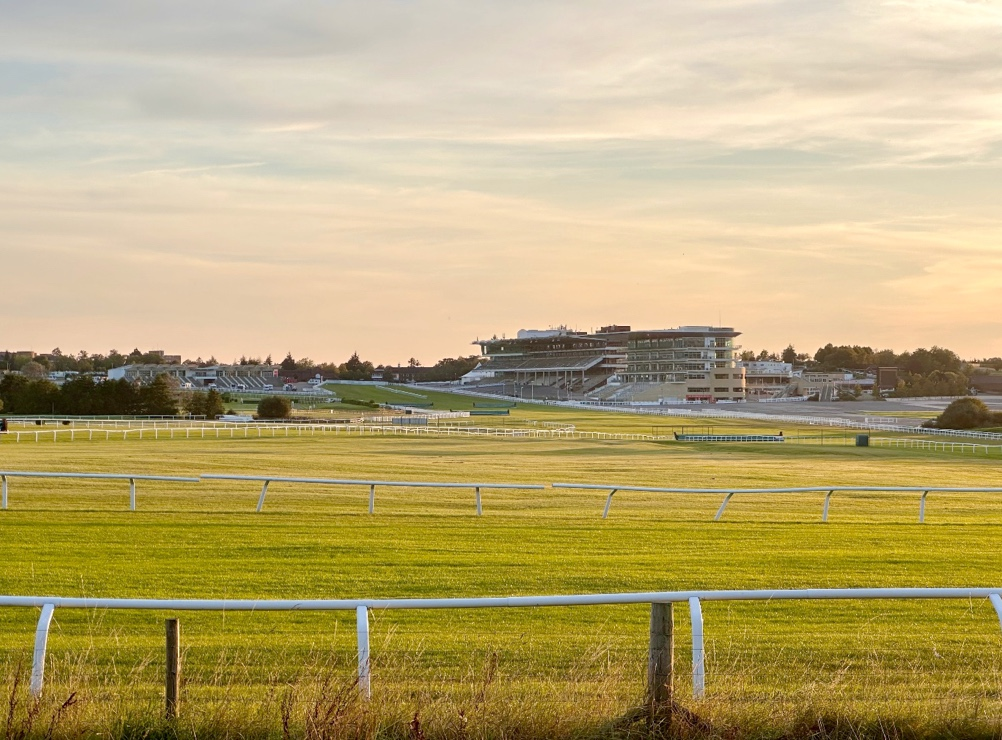
Britain’s horse racing scene is largely remembered for the traditions and history that make them what it is. Cheltenham Festival is one of the most historic racing festivals in the world, and is a large contributor to the special horse racing scene in the UK. The Cheltenham Festival originated in 1860, and over the years, it has undergone numerous evolutions that have shaped it into what it is today. In modern times, the Cheltenham Festival takes place at the Cheltenham racecourse over 4 days, with each day featuring a championship race, although this is not always the case. Throughout history, the festival has not always been held at Cheltenham racecourse, with stints at Warwick, Liverpool, and the inaugural course at Market Harborough. The festival would take place over three days until 2005, when an additional day was added.


The Cheltenham Festival, in modern times, is widely perceived as the home of jumps racing, featuring some incredible championship races. The most notable race at the Cheltenham Festival is the Gold Cup, which takes place on the Friday, rounding out an incredible week of racing. The Cheltenham Festival is also home to other notable races, such as the Champion Hurdle, Queen Mother Champion Chase, Supreme Novices’ Hurdle, and more. The Cheltenham Festival has seen some incredible upsets over the years, with underdogs shocking the racing world. One of the greatest stories in the Cheltenham Festival history is the Norton’s Coin upset, which many Cheltenham odds providers priced as high as 100/1 before the race started. Underdog stories like this, alongside the incredible traditions the festival holds, are part of what makes the festival so popular in the 21st century.

Royal Ascot – United Kingdom

Each year, the Royal Ascot racing festival is held, which has become one of the most prestigious racing events. The festival has become incredibly popular for numerous reasons, most notably the royal tradition and the quality of racing it produces. The racing usually commences in June and spans across 5 days, with members of the British Royal Family attending, alongside the thousands of others. Unlike the previous British horse racing festival that we covered, Royal Ascot will take place on flat ground.


The Ascot Racecourse has been the home of the Royal Ascot festival since its establishment in 1711 by Queen Anne. The festival has taken place at Ascot for all meetings, except for one in 2005, when the course was undergoing renovations, when York Racecourse served as a stand-in host.


The Royal Ascot festival attracts millions each year, with packed-out stands trackside and incredible online viewing figures. The festival is one of the most attractive for all trainers and jockeys, prompting the best horses from the UK, Ireland, France, the USA, Australia, and other countries to make the trip to Ascot Racecourse. Many tune in to watch some of the incredible races during the Royal Ascot festival, including the King Charles III Stakes, Commonwealth Cup, and Gold Cup.

Melbourne Cup Carnival – Australia

Travelling across the seas, we have the Melbourne Cup, which takes place each year in Melbourne, Australia. The racing will take place at the Flemington Racecourse at the end of October or the beginning of November each year. Despite all being part of the same racing festival, the Melbourne Cup Carnival is unique, as races will not take place on consecutive days. Regardless, the event is undoubtedly Australia’s greatest horse racing festival, attracting record viewing numbers each year.


There are four main race days for the festival: Victoria Derby Day, Melbourne Cup Day, Oaks Day, and Champions Day. For many, Melbourne Cup Day is the main event, which, as expected, will host the Melbourne Cup. This singular race features a 2-mile track, run by Group 1 Thoroughbreds. The race offers one of the largest prize pools in horse racing, often attracting many international trainers to bring their horses to compete. Whilst there are other notable races across the festival, Melbourne Cup Day is undoubtedly the most significant, with a rich history dating back to its origins in 1861.

 

The Impact of Technology at Cheltenham Festival

The Cheltenham Festival stands as one of the most iconic fixtures in British horse racing, celebrated for its rich history, demanding courses and unmatched atmosphere. In recent years, the sport has begun to embrace a wave of technological change that affects many aspects of the Festival and the wider racing industry. Technology is now a part of almost every aspect of modern horse racing, from sophisticated health monitors for horses to improved broadcasting and ways for fans to connect with the action.
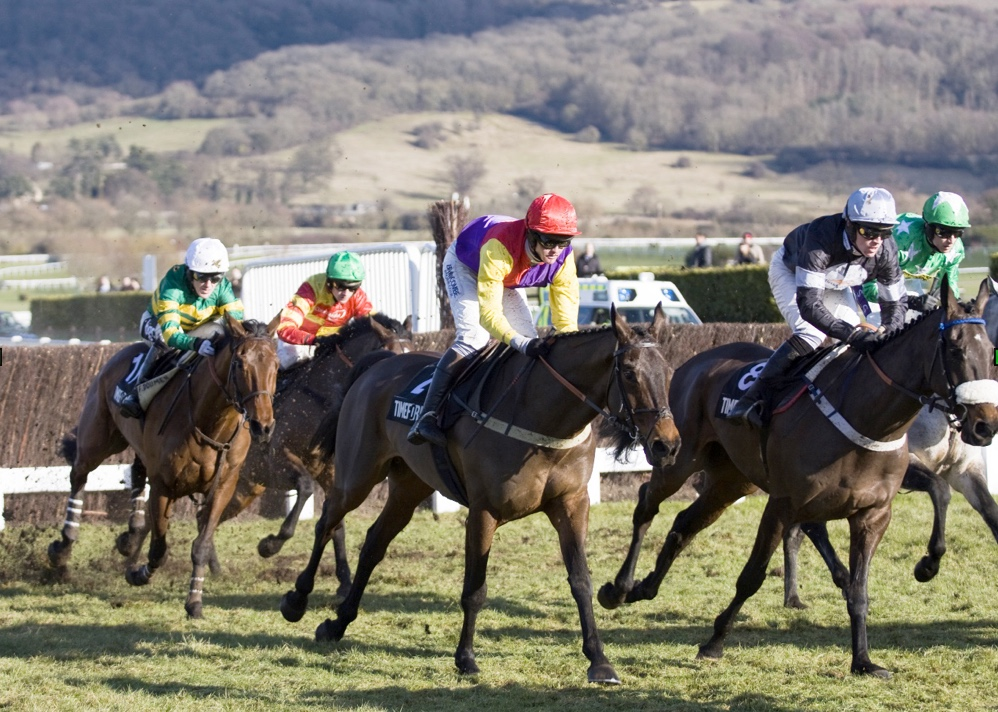
 

These developments are far more than just gadgets to assist in performance, but also look at helping maintain safeguarding and the welfare of horses. As the sport progresses, more technology is implemented in events like Cheltenham, potentially leaving plenty of room for progression and advancing horse racing.

Data and Analytics

Big data in horse racing is no longer just about keeping records; it now provides valuable insights into how horses perform and respond to training. Trainers and their teams are gathering and analysing large amounts of information to understand how each horse reacts to different conditions and exercise routines, helping them make more informed decisions about preparation and care. This kind of analysis helps them plan long-term fitness programmes and spot potential health problems before they become serious issues. Across the sport, such digital tools are gradually complementing traditional knowledge and experience in preparing horses for the rigours of Cheltenham and other major events.

Wearable Horse Technology

Wearable technology for horses has moved from concept to practice, with systems now capable of monitoring vital signs like heart rate and skin temperature in real time. Devices such as equine fitness trackers provide ongoing data that can support veterinary assessment and conditioning programmes. The British Horseracing Authority has even considered using such sensors to explore unexplained incidents during racing by correlating biometric data with race stress and strain. This shift towards continuous monitoring represents a significant step in prioritising animal welfare.

Smart Saddles

Advances in technology are not limited to the horses themselves. Advances in saddlery and rider-worn wearables to enhance performance tracking of jockeys and horses, enabling a better understanding of how races affect both participants. Lightweight sensors and data collection systems help to reveal details that may be overlooked by humans, impacting both training routines and techniques in order to improve performance. Such information supports safer practices and tailored coaching that respects the unique demands placed on riders during National Hunt racing at Cheltenham and similar courses.

Digital Training

Technology has made its way into training yards across the UK, where GPS tracking and motion capture systems are used to analyse gallops, strides and recovery times. These tools allow trainers to fine-tune training programmes and tackle potential issues before they develop into serious problems. By providing a clearer understanding of how a horse handles different workloads, digital training aids can improve preparation for the demanding jumps and pace changes typical of top-level races.

Track Innovations

Racecourse technology has advanced significantly over the years, helping improve not only safety but also the fairness of events. The inclusion of high-definition cameras and more accurate timing systems are just a few advancements in terms of equipment that provide a little bit more detail to the sport. At major meetings such as Cheltenham, this allows stewards and support teams to review close finishes and on-course incidents with greater precision than before. At the same time, life‑like veterinary training mannequins at Cheltenham and other tracks help staff practise and improve their emergency response skills.

Event Tech

Not only on the racetrack, but technology has changed how people experience the Festival, whether in attendance or via a livestream. Platforms now have the ability to handle a large number of spectators while guaranteeing a quality display, which allows people from around the world to connect with Cheltenham’s events. Racecourse infrastructure investments in wireless connectivity also support a richer, more interactive environment for visitors, blending tradition with modern expectations of connectivity and content access at major sporting fixtures. During the build-up to major meetings, broader media coverage also expands, with previews, interviews and general guides frequently appearing alongside topics such as free bet offers, forming part of the wider conversation surrounding the Festival.

Virtual and Augmented Reality

Virtual reality and augmented reality technologies are opening new avenues for engagement well beyond the fences. Immersive experiences can place viewers in a jockey’s perspective or overlay digital information over the real world, bringing race days to life in innovative ways. These approaches appeal to a broad audience by offering depth of involvement that was not possible with conventional broadcast alone, and they illustrate how sport and technology are intersecting to enhance understanding and enjoyment of racing.

The Future of Cheltenham

As research and innovation continue, the future of equine sport promises even greater integration of intelligent systems. Robotics in stable management, as well as sensor networks and AI tools, are slowly emerging into the world of horse racing, potentially set to become a common feature of equestrian activities as a whole. These technologies aim to improve welfare, support decision‑making, and help ensure that festivals such as Cheltenham remain both competitive and responsible in the decades to come.

Which Cheltenham Festival hopefuls took a form hit at the Dublin Racing Festival?

For all the excitement it generates, the Dublin Racing Festival has a brutal side effect for ante-post punters looking to bet on Cheltenham. While some contenders enhance their reputations at Leopardstown, others see carefully built Festival profiles unravel in the space of a single afternoon, with markets reacting fast and often unforgivingly.

This year’s meeting was no different. Several high-profile Cheltenham hopefuls left Dublin with more questions than answers, and in some cases, their Festival credentials took a significant dent.

Final Demand – Brown Advisory bubble burst?

The biggest shock of the weekend came in the Grade 1 Novice Chase, where Final Demand ran a race that few saw coming. The Willie Mullins-trained novice had been one of the shortest ante-post favourites across the entire Cheltenham Festival, trading as low as 5/4 for the Brown Advisory Novices’ Chase and sent off a heavy odds-on favourite at Leopardstown.

What followed was deeply underwhelming. Final Demand never travelled with his usual authority and ultimately finished third of four, beaten over 12 lengths by stablemate Kaid d’Authie. It was the kind of performance that forces a full reassessment rather than a gentle market tweak.

The reaction was immediate. His Brown Advisory price drifted sharply to around 4/1, reflecting both the shock of the run and the depth of alternatives now emerging in the novice chase division. While it would be dangerous to assume he’s suddenly a bad horse, Leopardstown can be unforgiving on an off day, it’s equally hard to ignore just how little he showed when it mattered most.

Lossiemouth – a missed moment?

Lossiemouth’s form hit is more subtle, but potentially just as significant. At last year’s Cheltenham Festival, she was controversially kept to the Mares’ Hurdle, a race she won, rather than being allowed to take her chance in the Champion Hurdle. That decision always felt like a deferral rather than a conclusion, with many expecting her to be a major player in the championship division this season.

However, her defeat in this year’s Irish Champion Hurdle at the Dublin Racing Festival, where she was beaten by Brighterdaysahead, may have finally closed that door. In a season where the Champion Hurdle picture remains fragile and full of gaps, Lossiemouth failed to seize what looked like a genuine opportunity to stamp her authority.

As a result, the Champion Hurdle now looks an increasingly unlikely target next month, with a return to the Mares’ Hurdle the more probable route once again. That isn’t a slight on her ability, but from a market perspective, it represents a clear form hit in terms of championship ambitions.

Marine Nationale – Champion Chase credentials tested

Marine Nationale arrived at Leopardstown as the reigning Champion Chase winner, but left with his aura slightly dulled after finishing a distant second to Majborough in the Dublin Chase. The margin, 18 lengths, told a stark story, particularly as Majborough answered lingering doubts about his jumping with a slick, confident round.

There are mitigating factors. Marine Nationale was encountering heavy ground for the first time, and his performance suggested conditions played a role in blunting his effectiveness. Cheltenham’s Old Course in March is unlikely to be as testing, and Majborough’s jumping, while impressive here, remains something that could come under pressure in a Championship-speed race.

Still, from a market perspective, the balance of power shifted. Marine Nationale went from solid title-holder to horse with something to prove, and that alone represents a form hit, even if excuses can be made.

The Dublin Racing Festival doesn’t just identify Cheltenham contenders, it exposes them. For some, it confirms Festival readiness. For others, it forces punters to confront uncomfortable truths about hype, conditions, or misplaced confidence.

By the time Leopardstown fades from view, Cheltenham markets are rarely the same. And for these hopefuls, the road to March suddenly looks a little steeper than it did before the tapes went up in Dublin.

The fastest Cheltenham Gold Cup winning times ever

As the build-up to the Cheltenham Festival gathers pace, records and milestones from the Gold Cup are never far from the conversation. Spring festival talking points always include standout moments from this iconic race.

The Gold Cup is the biggest prize in jump racing in Britain and Ireland, and timing is part of what makes it so special. Over a testing three-and-a-quarter miles on Cheltenham’s New Course, the fastest winners have carved their names into history with quick times, great performances from horse, jockey and trainer, and sometimes surprising results.

Here are the quickest Gold Cup winning times ever recorded.

Poet Prince

Poet Prince holds the record for the fastest Cheltenham Gold Cup winning time of all. He won the 1941 renewal in 6 minutes and 15.6 seconds – a mark that has never been beaten. Ridden by Roger Burford and trained by Ivor Anthony, he went to post at 7/2 in a competitive wartime field.

The race took place during the Second World War and was run on Cheltenham’s old course rather than the New Course used today. Conditions were unusually quick for March, and the pace was strong from an early stage. Poet Prince pulled clear of Savon and Red Rower to win decisively.

Red Rower

Just four years later, Red Rower came close to matching Poet Prince’s record. He won the 1945 Gold Cup in 6 minutes and 16.2 seconds – only fractions slower. Red Rower had already shown his liking for the race, having finished second in 1941, and returned as the 11/4 favourite.

Owned by Lord Stalbridge, who also trained him, Red Rower was ridden with confidence and control. He beat Schubert and Paladin in a well-run race that again benefitted from good ground and an honest gallop. His time remains the second fastest in Gold Cup history.

Long Run

Long Run produced the fastest Gold Cup winning time on the New Course in 2011, stopping the clock at 6 minutes and 29.7 seconds. Trained by Nicky Henderson and ridden by amateur jockey Sam Waley-Cohen, he went off favourite in a high-quality renewal.

What made the performance so striking was the opposition he beat. Kauto Star and Denman, two legends of the race, filled the places behind him. Long Run travelled smoothly, jumped accurately and stayed strongly up the hill to set a new benchmark.

Looks Like Trouble

Looks Like Trouble set a new standard at the turn of the millennium when he won the 2000 Gold Cup in 6 minutes and 30.3 seconds. Ridden by Richard Johnson and trained by Noel Chance, he started at 9/2 rather than as a short-priced favourite.

He crossed the line five lengths clear. His winning time was the fastest recorded on the New Course at the time and remained the benchmark for more than a decade. It was a defining moment for horse, jockey and trainer.

Norton’s Coin

Norton’s Coin’s Gold Cup victory in 1990 remains one of the most remarkable results the race has ever produced. He won in 6 minutes and 30.9 seconds despite being sent off at 100/1. Trained and ridden by Sirrel Griffiths, a Welsh dairy farmer, he arrived at Cheltenham with little attention from the wider racing public.

Once the race was run, the result was decisive. Norton’s Coin beat pre-race favourite Desert Orchid, who finished third, and Toby Tobias, who was second.

Horses that proved why Cheltenham failure doesn’t rule out Grand National glory

Cheltenham’s seen as the ultimate benchmark in National Hunt racing, but history shows it doesn’t tell the whole story. For all the data, debate and Cheltenham betting markets built around the Festival, a poor run at Prestbury Park can be misleading.

Some horses don’t suit Cheltenham’s sharper track or the intensity of Festival racing. Others are asked to run in races that prioritise speed over stamina when they’re built for marathon distances. When those same horses arrive at Aintree, over longer trips and a completely different set of fences, everything changes.

In recent years, several Grand National winners have followed this path – they’ve flopped at Cheltenham before producing the performance of their lives at Aintree. Their stories prove that Cheltenham form is useful, but it’s not the final word.

Corach Rambler

Corach Rambler’s main Cheltenham Festival runs came in the Ultima Handicap Chase, a long-distance handicap that produces staying types rather than Grade 1 stars. In 2022, he won that race over about three miles and a furlong, finishing first of 24 runners at 10/1 – a solid win but nothing that screamed Festival domination.

He followed up with another Ultima victory in 2023. Winning back-to-back at Cheltenham is impressive, but it wasn’t in the Festival’s top graded events. In the 2024 Cheltenham Gold Cup, he finished third behind Galopin Des Champs and Gerri Colombe.

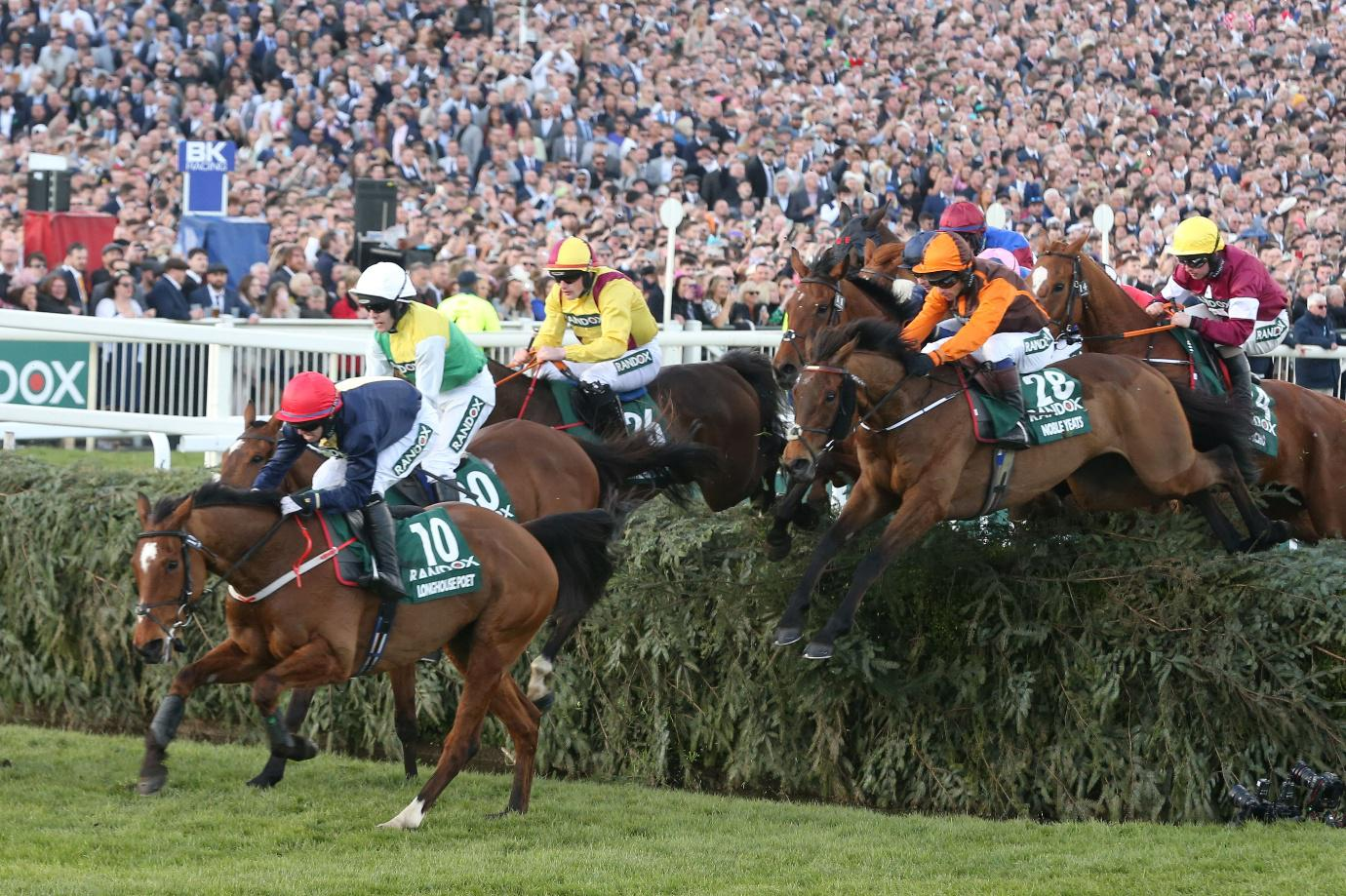
However, Corach Rambler’s reputation rests on 15th April 2023, when he delivered one of the standout performances of the jump season to win the 175th Grand National at Aintree.

That victory was both a career high and a defining moment for the Scottish-trained gelding. It showed how a horse’s Festival form doesn’t always predict Grand National success.

Rule The World

Rule The World’s record before his 2016 Grand National win doesn’t include any standout Cheltenham Festival performances. He didn’t run in the marquee Festival races that season, and his earlier Cheltenham appearances ended with unremarkable results – no placings in championship chases or major handicaps.

His best Festival effort came years earlier with a sixth-place finish in the World Hurdle, a staying Grade 1, though that was nowhere near winning form.

Because of that lack of Festival impact, he was largely overlooked. Attention focused on higher-profile Festival runners instead. That made his Aintree success – coming from off the pace to win the 2016 Grand National at big odds – one of the more surprising results of that year’s jump season.

I Am Maximus

I Am Maximus didn’t make a big impression in major Cheltenham Festival races before his 2024 Grand National victory. Early in his career, he won an Open National Hunt Flat Race at Cheltenham in October 2020, but that was a standard NHF event rather than a championship chase, and it took place outside Festival week.

He’s since run in other high-profile races, but not in the key Festival handicap chases that punters watch closely each spring. As a result, he’s never been a headline name in Gold Cup Antepost betting markets, or in the build-up to Aintree. Yet he still went on to win over the Grand National fences at close to 7/1 in 2024.