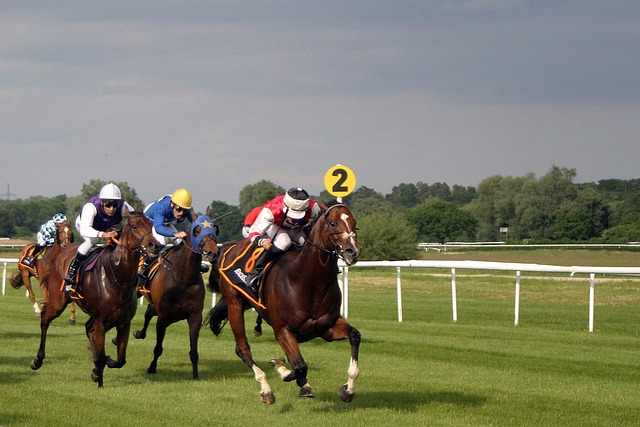
 Choosing the right horse is one of the most important decisions any rider can make. Whether you are a beginner or an experienced equestrian, the horse you select will directly impact your comfort, safety, and overall enjoyment. With so many breeds, temperaments, and training levels available, it’s essential to approach this decision carefully. This guide will help you understand how to match a horse to your riding style and goals.
What’s Your Riding Style and Goals
Before you even begin looking at horses, you need to clearly define your riding style. Are you interested in casual trail riding, competitive show jumping, dressage, or perhaps western disciplines like reining or barrel racing? Each discipline requires different traits in a horse.
For example, a calm and steady horse is ideal for beginners or trail riders, while a more energetic and responsive horse may suit competitive riders. Be honest about your skill level—choosing a horse that is too advanced can lead to frustration or even injury.
Also, think long-term. Are you planning to grow and compete, or do you simply want a reliable companion for leisure riding? Your answers will guide your selection.
Consider the Horse’s Temperament and Training
Temperament is often more important than breed. A well-trained horse with a calm and willing attitude can make all the difference, especially for less experienced riders.
Key temperament traits to look for include:
- Calmness and patience
- Responsiveness to commands
- Willingness to learn
- Consistency in behavior
A “bombproof” horse—one that remains calm in various situations—is ideal for beginners. More advanced riders might prefer a horse with more spirit and sensitivity, as these qualities can enhance performance in competitive settings.
Training level is equally critical. A green (inexperienced) horse requires a skilled rider, while a trained horse can help build confidence and skills.
Research and Learn from Trusted Resources
Before making a final decision, it’s wise to gather as much information as possible. Reading expert advice, watching training videos, and consulting professionals can give you valuable insights into horse selection and care.
One helpful resource is https://horseracingtips.io/, where you can explore additional insights into horse performance, behavior, and industry trends. While the platform focuses on horse racing, it can still provide useful context about how different horses perform under various conditions, helping you better understand equine potential.
You may also consider working with a trainer or experienced rider who can accompany you when evaluating horses. Their expertise can help you notice subtle details you might otherwise miss.
Match the Horse’s Physical Traits to Your Needs
A horse’s physical characteristics should align with your riding style and body type. Size, build, and movement all play a role in comfort and performance.
Important factors include:
- Height and weight capacity: Ensure the horse can comfortably carry you
- Build and conformation: Athletic builds are better for jumping and competition, while sturdier builds suit trail riding
- Gait quality: Smooth gaits provide a more comfortable ride, especially for long distances
For example, taller riders may feel more balanced on larger horses, while smaller riders might prefer more compact breeds. Always test ride a horse to see how it feels in motion.
Evaluate Health and Maintenance Requirements
Owning a horse is a long-term commitment that involves regular care and expenses. Before choosing a horse, consider its health history and maintenance needs.
Ask for:
- Veterinary records
- Vaccination history
- Any past injuries or chronic conditions
Some horses require more specialized care, which can increase costs. Make sure you are prepared for feed, stabling, grooming, and veterinary expenses.
A pre-purchase veterinary exam is highly recommended. It can reveal potential health issues and give you peace of mind before finalizing your decision.
Spend Time with the Horse Before Deciding
Never rush into buying a horse. Spend time observing and interacting with the horse in different situations. Watch how it behaves in the stable, during grooming, and under saddle.
If possible:
- Ride the horse multiple times
- Observe it with other riders
- Test it in environments similar to where you’ll ride
This hands-on experience will help you determine whether the horse truly matches your expectations and riding style.
Choosing the right horse is about finding the perfect balance between your abilities, goals, and the horse’s temperament, training, and physical traits. Taking the time to research, test, and evaluate your options will pay off in the long run.
A well-matched horse not only improves your riding experience but also creates a stronger bond between rider and animal. With patience and careful consideration, you’ll find a horse that complements your style and helps you grow as an equestrian.