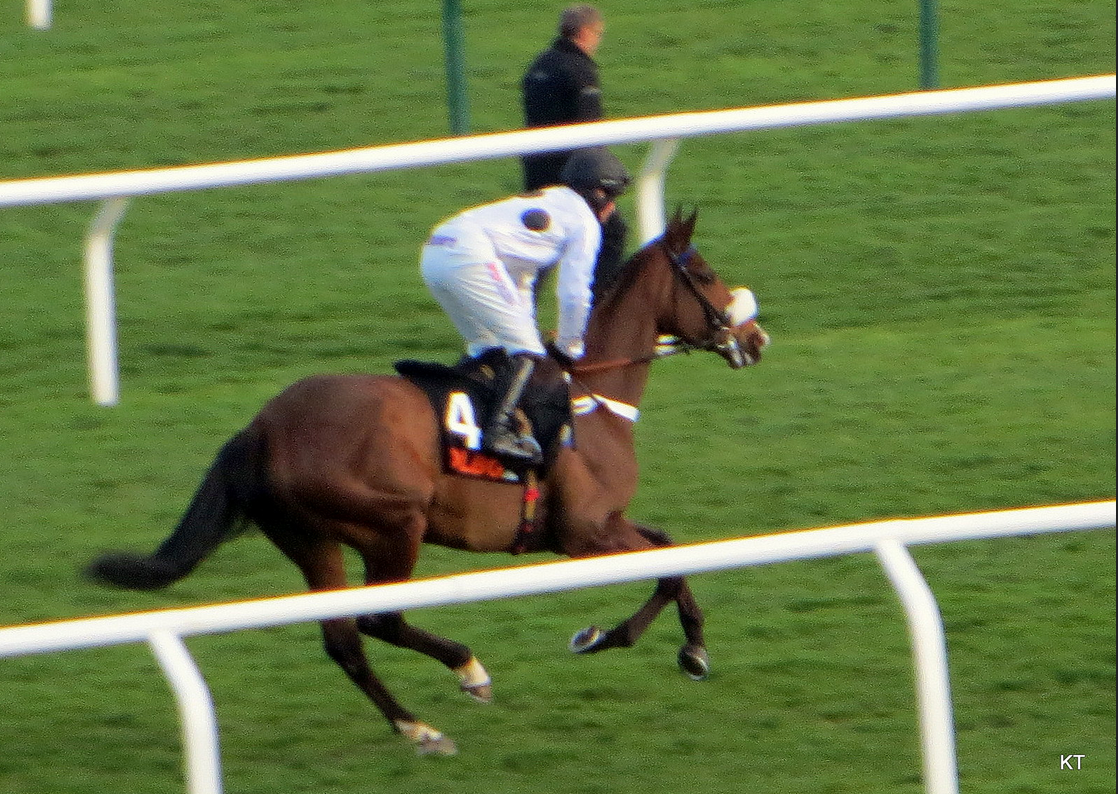
The Cheltenham Festival is almost underway, with the classic 28 races spread across four days starting on March 10th, 2026. With over 200,000 fans expected to flood the iconic Cheltenham Racecourse in Prestbury, attention will soon turn to Cheltenham Festival betting odds, with big names like Constitution Hill, Inothewayurthinkin, and Galopin Des Champs returning to try to make their mark on the 2026 event.
As much as the eyes turn to the horses and the odds, it’s the trainers working tirelessly, especially in the run-up to Cheltenham, to condition their horses for the unique competition. Most of them will have had winter races, but nothing compares to Cheltenham Racecourse.
Below, we’ll explore how training strategies change in the build-up to the Cheltenham Festival.
Race Prep for Cheltenham
As Jamie Snowdon, leading trainer at Folly House, who has raced more than 450 horses at tracks throughout the UK, said in an interview with the BBC, Cheltenham is “like the Olympics of our sport, where the best take on the best“.
His team works tirelessly to prepare the horses for the biggest races of the season, and for us right now, that’s Cheltenham 2026. According to Snowdon, who oversees the development of a multitude of horses across his 60 stables, he spends his time jigsawing the pieces together at the right time to put the horses in optimal condition.
That typically involves a 06:00 start to the day to prep and saddle the horses before they go through the paces with gallops. They’ll train in groups and ride in pairs to give competition, undertaking jumping, bleep tests, interval training, and a general morning exercise routine that isn’t necessarily too taxing for the horses.
After a morning of training, they’re washed, fed, and made comfortable for the rest of the day. And that will be the basics for most trainers and horses. Nothing too crazy, just steady prep to make sure they’re competition-ready and without injury.
Fine-Tuning Training Intensity
As you can see, there isn’t much in the way of training intensity. It’s not exactly a trot in the park, but it definitely isn’t too intense. The worry with intensity is injury, especially this close to the Cheltenham Festival.
As you can see by the regime Jamie Snowdon and his team follow, the focus is more on:
- Shorter, sharper pieces of work
- More emphasis on recovery
- Careful monitoring of weight and appetite
Snowdon also tells the BBC that they’re especially interested in the horse’s temperament, with trust being an essential component to training any pet, let alone a thoroughbred racehorse. The horses must have a good relationship with the jockeys, who apparently come with “lots of carrots” and good intentions to do the best for the horse.
Strategic Race Targeting
As we move through February, trainers start to think about race targeting and the strategy they think is most likely to get the best result for their horses on the day.
Trainers weigh up:
- Field depth and likely opposition
- Whether to run against stablemates
- Novice vs open company
- Avoiding specific rivals
If you follow the Cheltenham Festival closely, you’ll almost always see late changes in race targets, and this is often the reason. Trainers notice better opportunities, and, naturally, they’re obviously going to go for them.
Trainer strategies definitely change in the run-up to Cheltenham. The goal is clearly to get the most out of the horse on their competition day, and as you can see from what we’ve said, the focus is more on conditioning than intense training. We’re just around the corner from Cheltenham 2026, so let’s see what training strategy wins.