Questions

How the Grand National Differs From America’s Biggest Horse Races

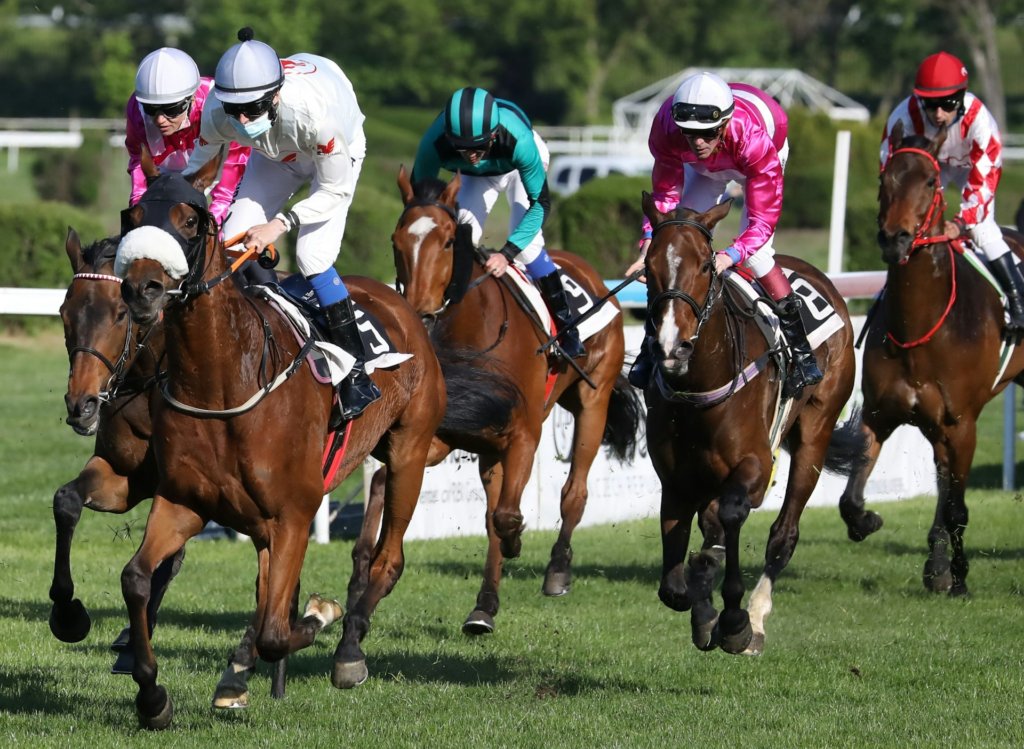
The Grand National is not just a longer race with bigger obstacles. It is a different racing code, built around jumping, stamina, and handicap weights. America’s biggest races usually sit inside the Triple Crown frame. They are flat dirt contests for younger horses.

That contrast matters in 2026 because both sides are changing in visible ways. I Am Maximus won the Grand National at Aintree on eleven April, while Golden Tempo won the Kentucky Derby on two May. The comparison starts with the ground under the horses.

Course Shape Changes Everything

Aintree asks horses to cover about four miles and two and a half furlongs. The race also includes 30 spruce-topped fences across two circuits, making rhythm as important as raw pace. American classics are much shorter, with the Kentucky Derby run over one and a quarter miles on dirt at Churchill Downs.

That single difference changes the whole read of a contender. When navigating horse race betting sites, fans will often see the Grand National framed around stamina, jumping record, and handicap weight. Meanwhile, American classics lean more on pace maps and dirt form. A Grand National runner must stay organised after repeated jumping efforts. A Derby horse must handle position, traffic, and a fast closing quarter without any fence breaking its stride.

Jumping Turns Form Into a Technical Exam

The Grand National is a steeplechase, so each fence becomes part of the race evidence. Becher’s Brook, The Chair, and Canal Turn test balance, timing, and recovery under pressure. A runner can have strong stamina and a fair weight, but weak fencing can quickly expose that profile.

American headline races remove that layer. The Kentucky Derby and Preakness are flat races, so the key data comes from pace shape, draw position, and late speed. Sectional strength is easier to compare on an uninterrupted track, while the Grand National keeps testing execution at every fence.

Handicaps Make the Field Read Differently

The Grand National is a handicap, so runners carry different weights set by the official handicapper. That system brings horses of different ratings closer together, rather than letting raw class decide everything. A stronger chaser may carry more weight, while a less exposed runner may get a lighter task. That makes the race more open because weight becomes part of the form puzzle.

The Derby works differently. It is limited to three-year-olds and uses prep races to shape the field. The main question is how well a young horse is developing compared to others from the same crop. That creates a cleaner age-based comparison, while the Grand National asks readers to judge older chase form through stamina, jumping reliability, and assigned weight.

Age and Race Type Split the Talent Pool

Aintree attracts experienced jumpers because the race is open to horses aged seven and above. That matters because a horse must already have proven chase experience before facing the National fences. The event rewards durability built across several seasons.

America’s major spring races focus on three-year-old Thoroughbreds. The Derby, Preakness, and Belmont are tied to one crop, which gives them a sharper developmental storyline. Golden Tempo’s Derby win underlined that pattern, especially after his team chose to skip the Preakness and aim for the Belmont.

The Calendar Creates Different Pressure

The Grand National stands as one huge target within the British jump season. Trainers can build a campaign around stamina, schooling, and handicap position months in advance. That gives the race a long lead-up, where preparation is shaped around one demanding day at Aintree.

The American Triple Crown is compressed by design. In 2026, the Preakness is scheduled for sixteen May at Laurel Park because Pimlico is under renovation. The Belmont follows on six June at Saratoga, so the top three-year-olds face a much tighter turnaround than Grand National runners. That schedule puts more focus on recovery, travel, and whether a horse can hold peak form across several major races.

Different Tracks, Different Truths

The Grand National shows what happens when stamina meets obstacles over an extreme trip. It asks for staying power, clean jumping, and the ability to keep form under constant interruption. That is why a previous Aintree winner like I Am Maximus could return with a profile that still mattered.

America’s biggest races reveal a different kind of class. They expose acceleration, tactical speed, and how a young horse handles a crowded dirt race. Neither model is softer, but each measures excellence with a different ruler.

The Real Split Is the Question Each Race Asks

The cleanest way to compare these races is not to rank them. The Grand National asks which horse can keep solving problems after the race has already become untidy. The American classics ask which young runner can produce class inside a fixed, high-speed frame.

That difference is why form from one world does not translate neatly into the other. Aintree rewards the complete chase profile, while America’s spring races reward the sharpest classic profile. The best reading comes from treating them as separate tests, not rival versions of the same idea.
 

How Trainer Strategy Changes in the Build-Up to the Cheltenham Festival

Flickr

The Cheltenham Festival is almost underway, with the classic 28 races spread across four days starting on March 10th, 2026. With over 200,000 fans expected to flood the iconic Cheltenham Racecourse in Prestbury, attention will soon turn to Cheltenham Festival betting odds, with big names like Constitution Hill, Inothewayurthinkin, and Galopin Des Champs returning to try to make their mark on the 2026 event.


As much as the eyes turn to the horses and the odds, it’s the trainers working tirelessly, especially in the run-up to Cheltenham, to condition their horses for the unique competition. Most of them will have had winter races, but nothing compares to Cheltenham Racecourse.


Below, we’ll explore how training strategies change in the build-up to the Cheltenham Festival.


Race Prep for Cheltenham

As Jamie Snowdon, leading trainer at Folly House, who has raced more than 450 horses at tracks throughout the UK, said in an interview with the BBC, Cheltenham is “like the Olympics of our sport, where the best take on the best“.


His team works tirelessly to prepare the horses for the biggest races of the season, and for us right now, that’s Cheltenham 2026. According to Snowdon, who oversees the development of a multitude of horses across his 60 stables, he spends his time jigsawing the pieces together at the right time to put the horses in optimal condition.


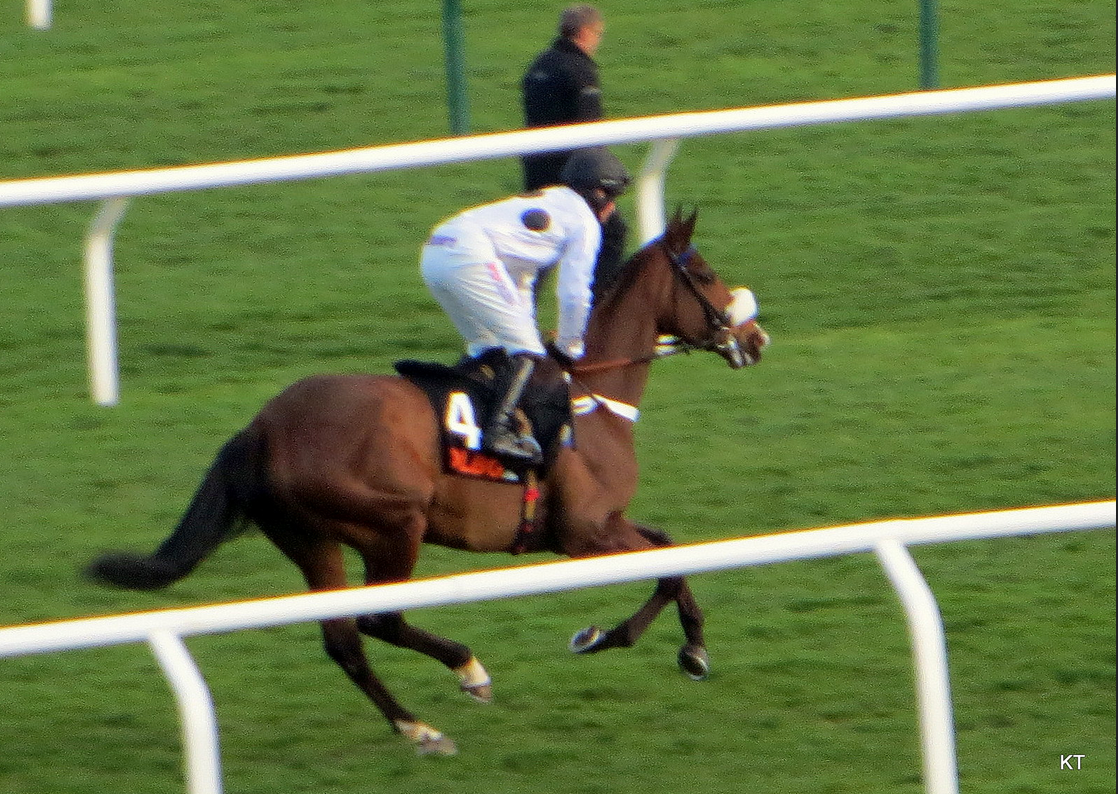
That typically involves a 06:00 start to the day to prep and saddle the horses before they go through the paces with gallops. They’ll train in groups and ride in pairs to give competition, undertaking jumping, bleep tests, interval training, and a general morning exercise routine that isn’t necessarily too taxing for the horses.


After a morning of training, they’re washed, fed, and made comfortable for the rest of the day. And that will be the basics for most trainers and horses. Nothing too crazy, just steady prep to make sure they’re competition-ready and without injury.


Fine-Tuning Training Intensity

As you can see, there isn’t much in the way of training intensity. It’s not exactly a trot in the park, but it definitely isn’t too intense. The worry with intensity is injury, especially this close to the Cheltenham Festival.


As you can see by the regime Jamie Snowdon and his team follow, the focus is more on:


  • Shorter, sharper pieces of work
  • More emphasis on recovery
  • Careful monitoring of weight and appetite


Snowdon also tells the BBC that they’re especially interested in the horse’s temperament, with trust being an essential component to training any pet, let alone a thoroughbred racehorse. The horses must have a good relationship with the jockeys, who apparently come with “lots of carrots” and good intentions to do the best for the horse.


Strategic Race Targeting

As we move through February, trainers start to think about race targeting and the strategy they think is most likely to get the best result for their horses on the day.


Trainers weigh up:


  • Field depth and likely opposition
  • Whether to run against stablemates
  • Novice vs open company
  • Avoiding specific rivals


If you follow the Cheltenham Festival closely, you’ll almost always see late changes in race targets, and this is often the reason. Trainers notice better opportunities, and, naturally, they’re obviously going to go for them.


Trainer strategies definitely change in the run-up to Cheltenham. The goal is clearly to get the most out of the horse on their competition day, and as you can see from what we’ve said, the focus is more on conditioning than intense training. We’re just around the corner from Cheltenham 2026, so let’s see what training strategy wins.


Tips for Getting More from Online Casinos

Designed by Freepik

Horse racing has always been part of British gambling. People of all ages are united by cheering on a winner whether they are on the side of the track at Aintree or in the pub. The three Grand Nationals won by Red Rum in the 1970s are legendary, as was the mayhem at the Foinavon fence in 1967, which is still being talked about decades later.


Most betting moved online years ago. The house wins far more often than players do, but racegoers who understand form guides and trainer records know that finding value matters more than just placing bets randomly. UK-licensed betting sites operate under strict regulations, which protects customers but limits what operators can offer.


Some experienced punters turned to non GamStop UK betting sites that run under offshore licences. These platforms offer bigger bonuses and higher betting limits without UK regulatory restrictions. Withdrawals process faster and the terms are often more generous. The tradeoff is less consumer protection, so anyone using these sites needs to verify the licensing is legitimate and understand how dispute resolution works differently. During Cheltenham Festival week alone, hundreds of millions get wagered, and serious punters who hit a winning streak sometimes find themselves limited by UK operators. The offshore alternatives emerged partly because of this.


Game selection affects your returns significantly. Casino slots vary wildly in payout percentages. Anything above 96% RTP is decent. Blackjack and baccarat tend to be more favorable compared to slots. European roulette is superior to American roulette as the single zero reduces the house advantage by half. Racing also taught people to compare odds of various bookmakers of the same horse. The same thinking applies to casino games.


According to Gambling Commission’s November 2024 industry statistics, remote gambling generated £6.9 billion between April 2023 and March 2024. Those numbers show the scale of online betting in Britain. Bankroll management matters whether you’re backing horses or playing cards. Work out what you can lose before you start. Split a £500 fund into five £100 sessions rather than risking it all at once. This keeps the money lasting longer and reduces chasing losses.


Recent surveys reveal that half of British adults now participate in gambling activities, so managing time matters as much as managing money. Set session limits and stick to them. Playing for hours dulls your judgment.


Bonus terms catch people constantly. A 30x wagering requirement on a £100 bonus means betting £3,000 before you can withdraw anything. Slots might count 100% towards this, while table games often count less or not at all. Loyalty programmes and cashback offers work better because they don’t require extra spending. Competition between operators increased significantly, which means better ongoing rewards for keeping customers.


Every game carries a house advantage. That’s how bookmakers stay in business. Treat gambling as entertainment you’re paying for, not income. Wins happen and they’re brilliant when they do. But losses are the expected outcome. The Grand National produces upsets because favourites don’t always win. Accept the odds, know what you’re risking, and keep stakes sensible.

2026 Grand National Festival – Full Race Schedule

The 2026 Aintree Grand National takes place on Saturday the 11th April 2026 at 4pm and will air on ITV1. Millions will be tuning in to watching the race. It’s the main event of a three day racing festival, but the big race itself has such a worldwide reputation that it’s the one what most racing fans will be waiting for. Much like last year, the 2026 race starts at an earlier time than the Grand National has been held in recent years. Other changes in recent years include a reduced field size from 40 to 34 horses and fences softened using foam and rubber toe boards for safety reasons. Be sure to put the time and date down in your calendar!

For the full three day Grand National 2026 Schedule featuring the time and date of every race within the three day event, see below:

🏇 Grand National Festival 2026 — Full Racing Schedule

Opening Day — Thursday 9 April 2026

Gates open: 11:00 am

Time Race Distance
1:45 pm EBC Group Manifesto Novices’ Steeple Chase (Class 1, Grade 1) 2 m 4 f
2:20 pm Boodles Anniversary 4-yo Juvenile Hurdle (Class 1, Grade 1) 2 m 1 f
2:55 pm Brooklands Golden Miller Chronograph Bowl Steeple Chase (Class 1, Grade 1) 3 m 1 f
3:30 pm William Hill Aintree Hurdle (Class 1, Grade 1) 2 m 4 f
4:05 pm Randox Foxhunters’ Open Hunters’ Steeple Chase (Class 2) 2 m 5 f
4:40 pm Close Brothers Red Rum Handicap Steeple Chase (Class 1, Premier Handicap) 2 m
5:15 pm Goffs Nickel Coin Mares’ Standard Open NH Flat Race (Class 1, Grade 2) 2 m 1 f

Ladies Day — Friday 10 April 2026

Gates open: 10:30 am

Time Race Distance
1:45 pm Huyton Asphalt Franny Blennerhassett Memorial Mildmay Novices’ Chase (Class 1, Grade 1) 3 m 1 f
2:20 pm William Hill Handicap Hurdle (Class 1, Premier Handicap) 2 m 4 f
2:55 pm TrustATrader Top Novices’ Hurdle (Class 1, Grade 1) 2 m ½ f
3:30 pm Melling Steeple Chase (Class 1, Grade 1) 2 m 4 f
4:05 pm Randox Supporting Prostate Cancer UK Topham Handicap Chase (Class 1, Premier Handicap) 2 m 5 f
4:40 pm Oddschecker Sefton Novices’ Hurdle (Class 1, Grade 1) 3 m ½ f
5:15 pm Hallgarten & Novum Wines Handicap Hurdle (Class 2, Conditional/Amateur Riders) 2 m ½ f

Grand National Day — Saturday 11 April 2026

Gates open: 10:00 am

Time Race Distance
1:20 pm William Hill Top Price Guarantee Handicap Hurdle (Class 1, Premier Handicap) 3 m ½ f
1:55 pm Turners Mersey Novices’ Hurdle (Class 1, Grade 1) 2 m 4 f
2:30 pm William Hill Handicap Steeple Chase (Freebooter Handicap) (Class 1, Premier Handicap) 3 m 1 f
3:05 pm Ivy Liverpool Hurdle (Class 1, Grade 1) 3 m ½ f
4:00 pm Randox Grand National Handicap Steeple Chase (Class 1, Premier Handicap) 4 m 2½ f
5:00 pm Rosconn Group Maghull Novices’ Steeple Chase (Class 1, Grade 1) 2 m
5:35 pm Weatherbys NHStallions.co.uk Standard Open National Hunt Flat Race (Class 1, Grade 2) 2 m 1 f

Here’s a handy PDF print out of the 2026 Grand National race time and dates.


Comparing modern favourites with past legendary horses of the race

The Grand National has long been one of the most exciting and interesting events in horse racing in England. There are lots of people who find it dramatic to watch. With every year in the sport, new favourites are being made, rising to meet the incredibly high expectations of trainers, owners and fans. Compared with old favourites of the past, these newcomers show how the race has changed in terms of how people prepare, their style and the ultimate prestige and reputation of the horse itself.

Past legends of the National

Not many can live up the famous Red Rum. Red Rum is the only horse to win the Grand National three times, including in 1973, 1974 and 1977. He was a household name and a horse racing hero due to his stamina and incredible consistency.

Other greats of years past include Foinavon in 1967 and Aldaniti in 1981, as well as jockey Bob Champion in what is often seen as one of the greatest sporting comebacks ever seen. These wins have become a part of racing folklore and remind the National fans that it is this unpredictability and excitement that make it great to follow.

Modern favourites rising

Today’s contenders face a slightly different challenge. Improvements in fences and racing regulations have been extensive, impacting the speed, performance and position of horses relative to other racehorses. Horses such as Tiger Roll, who won in 2018 and 2019 just as Red Rum did those years before, have become icons for modern times.

Recent winners, such as Noble Yeats in 2022, reflect the emergence of younger and more agile horses that can match wits with seasoned veterans. Aside from modern training and veterinary treatment, the sports and preparation methods used today mean that today’s modern favourites are much better-tuned athletes when compared to previous decades.

Evolution of the race

Throughout the entire history of the National, both the course layout and the conditions on the day of the race have been updated by the organisers. One introduction was Kittie fences, which have minimised the number of falls; in turn, this shifts attention toward how well prepared the horses are, how fast they can sprint during the race and in the final stretch.

These days, the Grand National is even more competitive than it used to be, with lots of well-prepared horses in the field, making it harder to people to be able to determine the favourite. With such a high number of competitive horses, some might consider these modern horses to be even more interesting than the horses of the past.

The cultural significance

Beyond the track, there is a place specially reserved for the Grand National in the British sports culture. It is one of the few races where not everyone attending is a regular follower of horse racing. This is why it was worthy of being honoured by being named a national event. The excitement of the race has endured for decades, and families pass down stories of legendary winners and those who came close.

The Grand National is more than just a race; it’s an experience that brings generations together as they share a common bond.

Resources for fans

To folks who are interested in getting to know the history of the Grand National, lists of the past and present champions are readily available. These records let fans compare the former legends with the current runners, allowing them to see how factors such as stamina, speed and strategic direction have evolved over the years.

Additionally, race fans can look to Betway, which has betting markets that provide an entire wealth of information on favourites and people’s shifting expectations before the races. While such predictions are based on form and opinion, the history of the Grand National teaches us that it is — and will likely remain — one of the most unpredictable races out there.

The role of the fans

The hold of the crowds has always been a part of the ongoing popularity of the race. Thousands of people worldwide have access to internet and television and are passionate about the sport. This loyalty means that the legacies of historical heroes such as the famous Red Rum and modern-day heroes continues to be part of the mythology regarding that event.

Conclusion

The Grand National has undergone huge modifications over the decades. However, it is still essentially the same; a physical challenge which tests stamina, expertise and endurance. However, direct comparison between legends of the past and present day offers provides a clue as to why the race has been a jewel of the horse-racing world.

From the golden age of Red Rum to the modern exploits of Tiger Roll, these heroes are part of an ever-accumulating story that ensures the event will make a lasting impact on the history of horse racing.