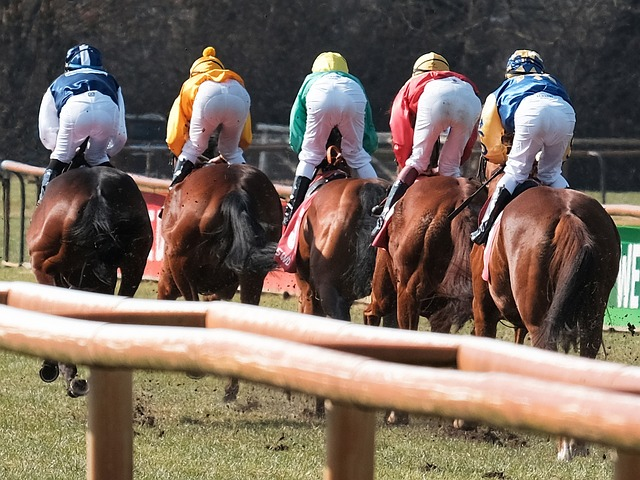
 Five horses have won the Grand National at odds of 100/1, the biggest starting price ever recorded for a winner of the world’s most famous steeplechase. Tipperary Tim set the benchmark in 1928, and Mon Mome matched it 81 years later in 2009, with Gregalach, Caughoo and Foinavon completing the list in between. This guide runs through every 100/1 shock in order, the near-misses at 66/1 and 50/1, and why Aintree keeps producing the biggest upsets in British racing.
The Five 100/1 Grand National Winners
- Tipperary Tim (1928) – the first 100/1 winner and still the National’s most chaotic renewal. A friend told jockey William Dutton he’d only win “if all the others fall,” and 41 of the 42 runners duly fell or refused, leaving Tipperary Tim to cross the line essentially unopposed.
- Gregalach (1929) – a second consecutive 100/1 winner, ridden home in front of a record 66-runner field, still the largest in Grand National history. Only nine horses completed the course, and Gregalach’s connections collected a prize fund of roughly £14,000, worth close to £780,000 today.
- Caughoo (1947) – won by 20 lengths in thick fog, beating 56 rivals with such ease that rumours persisted for years he had missed a circuit of the course. Nothing was ever proven, and the result stands as one of the most dominant long-priced victories in the race’s history.
- Foinavon (1967) – the most famous 100/1 winner of all. A pile-up at the 23rd fence brought down the entire leading pack, and Foinavon, running well behind the carnage, picked his way around the chaos to win unchallenged. The fence carries his name to this day.
- Mon Mome (2009) – the most recent 100/1 winner, ridden by 23-year-old Liam Treadwell on his first National ride. Trained by Venetia Williams, Mon Mome beat defending champion Comply Or Die by 12 lengths, and Williams became only the second woman to train a Grand National winner.
Just Outside the 100/1 Club
Several other outsiders have gone close to matching the record, winning at odds long enough to produce five- and six-figure payouts for punters brave enough to back them.
- Ayala (66/1, 1963) – won at just seven years old, defying a lack of pre-race form.
- Russian Hero (66/1, 1949) – another long-priced shock in the years immediately following Caughoo’s win.
- Rubio (66/1, 1908) – one of the earliest recorded long-odds winners in the race’s history.
- Auroras Encore (66/1, 2013) – romped home by nine lengths under a clean round of jumping, the most recent horse to win at 66/1.
- Last Suspect (50/1, 1985) – a horse considered more trouble than talent, coming through late to claim victory.
- Noble Yeats (50/1, 2022) – a fairytale final ride for retiring amateur jockey Sam Waley-Cohen.
Why the Grand National Produces Bigger Shocks Than Any Other Race
No other race in British racing combines a field this large with fences this demanding. Up to 34 runners jump 30 fences across four miles two and a half furlongs, and attrition, not raw ability, decides the result more often than in any handicap over conventional obstacles. A horse simply completing the course with a clear round holds a genuine chance regardless of its official rating, since falls, unseated riders and exhausted finishers regularly remove market leaders before the race is decided. This structural unpredictability is precisely why the National has thrown up five 100/1 winners and at least six more at 50/1 or bigger, a shock rate no other British steeplechase comes close to matching.
What a 100/1 Shock Actually Pays
A £10 each-way bet on a 100/1 shot, at standard Grand National terms of a quarter the odds for the first four home, returns £1,010 for the win portion alone if the horse crosses the line first, plus a further £260 on the each-way place portion. Combined, a £20 total stake at 100/1 pays out £1,270 on a winning outsider, which explains why Grand National day consistently produces the biggest single payouts of the UK racing calendar for high-street bookmakers and online operators alike.
Backing the Next Outsider: Why Price Protection Matters
Long-priced Grand National runners move in the market more than any other horses in the field, often drifting from 100/1 on the morning of the race out to 150/1 or beyond by the off, only for a rival’s late withdrawal to shorten prices again within minutes. Punters who fix their price early lose that protection the moment the market moves against them, unless the bookmaker guarantees the better of the two prices. This is precisely where the Best Odds Guaranteed bookmakers in 2026 earn their reputation among National Hunt punters, since a guarantee that pays the bigger of the price taken or the starting price protects an each-way bet on a rank outsider from exactly the kind of late market swing that has defined Grand National betting for close to a century.
The Draw of the Long Shot
Five 100/1 winners in just under a century tells punters everything they need to know about the Grand National’s appetite for chaos. Tipperary Tim, Gregalach, Caughoo, Foinavon and Mon Mome each won a race that seasoned form students had already written off, and every fresh field of 30-plus runners lining up at Aintree carries at least one horse capable of doing it again. That unpredictability, more than any other factor, is what keeps the National the most heavily bet race on the British sporting calendar.