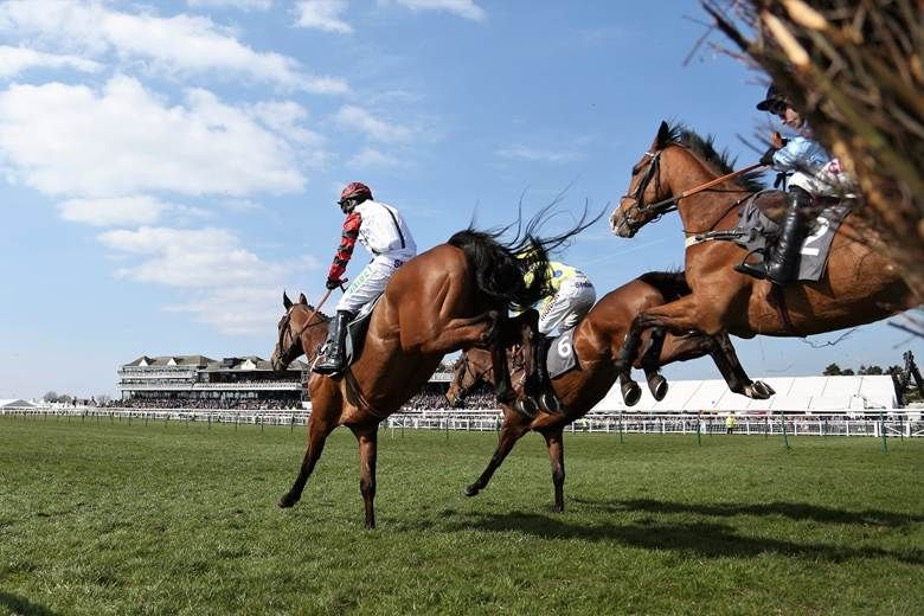
 Tony McCoy spent two decades as the dominant force in jump racing, riding over 4,000 winners before he retired. In all that time, no flat jockey of comparable standing made the move across to join him. The crossover between the two codes, at elite level, is practically non-existent.
It is not that flat jockeys lack the talent. Ryan Moore, William Buick, Oisin Murphy, and Frankie Dettori are among the finest riders in the world. But elite flat jockeys almost never switch to National Hunt, and the reasons are more structural than most people realise. For anyone browsing the best bets for the weekend’s races, it helps to understand that the jockeys riding in those meetings almost never started their careers over obstacles, and almost none of them ever will. Constitution Hill’s move in the opposite direction made headlines in February 2026 for exactly that reason.
Here’s a look at why the crossover is so rare, and what makes the two codes so different in practice.
The weight problem
The most immediate barrier is physical. Flat jockeys typically ride at between 8st 7lb and 9st 5lb, maintaining that frame over an entire career through strict dietary control. Jump jockeys ride at higher weights, sometimes 10st 7lb or above, and the National Hunt calendar runs through winter months that take a considerable physical toll. A jockey who spent years keeping below nine stone would need a significant physical transition to compete over jumps, and most are not built for it.
The riding style is a different discipline
On the flat, the job is about positioning, timing, and extracting maximum speed from a horse over a set distance without obstacles. Jump riding requires the jockey to manage a horse over fences or hurdles, often for three miles or more, through changing ground conditions and crowded fields. The physical demands are entirely different, and jockeys who have not grown up schooling horses over obstacles are at a significant disadvantage. It takes years to develop the instinct for placing a horse correctly at a fence.
The commercial reality
Top flat jockeys earn substantial retainers. Ryan Moore has ridden as a retained jockey for Aidan O’Brien and Coolmore for much of his career. William Buick has long been associated with Godolphin. These arrangements carry guaranteed income that jump jockeys at comparable profile rarely command.
The flat season also runs from spring through autumn, which means jockeys can ride internationally in Hong Kong, Australia, or the Middle East through the winter. The jump season runs through the worst of the British and Irish weather, with all the physical risk that entails.
The risk calculation
Serious injury is more common in jump racing. McCoy suffered broken bones on a near-annual basis throughout his career. Falls over fences happen at speed and at height, and a horse that fails to clear an obstacle creates a significantly more dangerous situation than a bump on the flat. For a jockey who has reached the top of the flat game, the financial and physical arithmetic rarely adds up in favour of switching codes.