The Most Anticipated Horse Races to Watch in 2026
 admin
admin 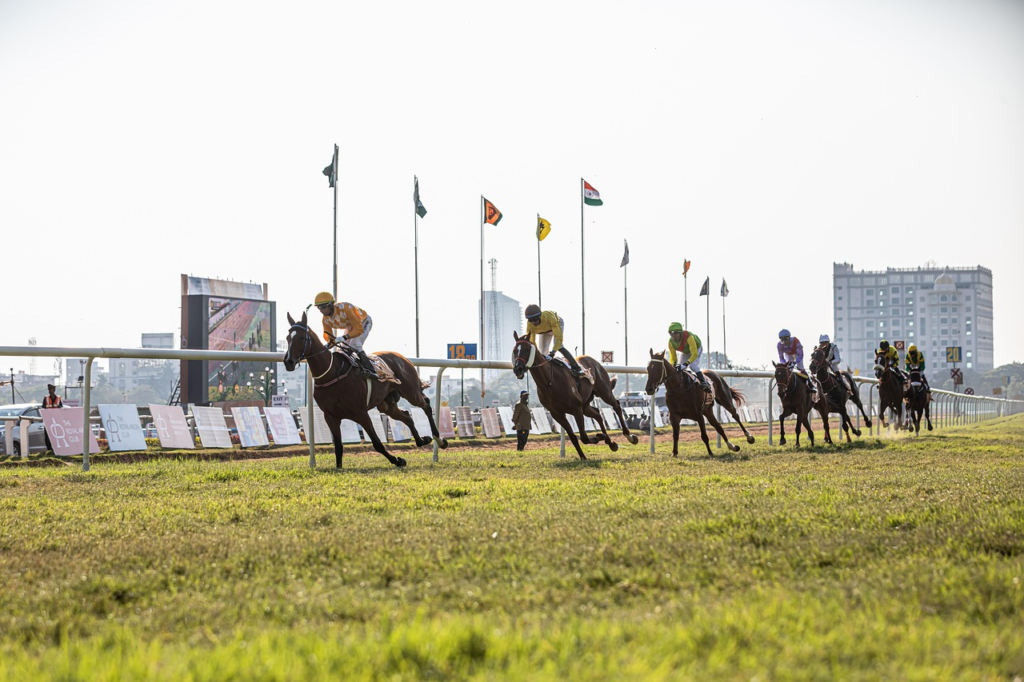 There’s something about horse racing that’s easy to get pulled into, even if you don’t follow it all year. It might be the energy of a big race, the crowd, or just that moment when everything comes down to a few seconds at the finish line. In 2026, the calendar is packed with races that people look forward to every year, and each one has its own reason for being a big deal.
Some races are known for their history, others for how tough or unpredictable they are, and some for the atmosphere around them. You do not need to be an expert to enjoy them, since part of the fun is just watching how it plays out. If you want to follow the biggest races this year, these are the ones to watch.
Kentucky Derby
The Kentucky Derby feels different from the moment it begins, partly because every horse lining up only gets one chance to run. Since the race is limited to three-year-olds, there is a real sense of urgency that you do not see in most other events. That pressure makes the race more exciting because everything comes down to one chance on a single day at Churchill Downs.
The Derby also attracts significant betting attention, with platforms like FanDuel among the most popular options. Many people take time to learn how to bet on fanduel before the race, especially if they are new to it. Even simple bets can make the race more fun to watch, since you feel more involved in the outcome.
Beyond the race itself, the traditions are a big part of why people keep coming back. The Run for the Roses, the singing of “My Old Kentucky Home,” and the sea of hats and outfits give the event its identity. With over 150,000 people in attendance and a $ 5 million purse, it becomes more than just a race and becomes a full experience.
Dubai World Cup
The Dubai World Cup is one of the first big races of the year and helps kick off the global racing season. It takes place at Meydan Racecourse, and in 2026, it celebrates its 30th anniversary, making it even more special. The race brings together top horses from around the world, all competing on a major stage.
One thing that stands out is the size of the event, with a total prize pool of $ 30.5 million. Horses, trainers, and jockeys come from different countries, making it a truly international race. Because it happens early in the year, it often gives a first look at which horses could stand out for the rest of the season.
Grand National
The Grand National feels completely different from most races, and that is a big part of why people keep coming back to it. It is not just about speed or clean runs, but about getting through a long, demanding course where things can change quickly. Even if you do not follow racing closely, this is one of those events that is hard to ignore once it starts.
The race itself is known for its fences, which are bigger and more challenging than what you usually see. Horses and jockeys have to stay focused from start to finish, because one mistake can change everything. That is also why the outcome is often unpredictable and why underdogs sometimes steal the spotlight.
Epsom Derby
The Epsom Derby is one of the most important races in British horse racing and has been around for a long time. It is held at Epsom Downs and is known for testing some of the best three-year-old horses each year. Winning here is a big deal because of the race’s history and reputation.
The challenge really comes from the track itself, which is far from simple. Horses have to deal with turns, slopes, and the well-known Tattenham Corner before the final stretch. It is not just about speed, but also about control and timing.
Breeders’ Cup
The Breeders’ Cup feels like the final chapter of the racing season, where everything comes together in one place. Held over two days at Keeneland in 2026, it brings together top horses from different countries and racing divisions. By this point in the year, many competitors have already proven themselves, making the races even more competitive.
What makes the event stand out is the number of big races packed into a short time. There are fourteen Grade 1 races, each focused on a different type of horse, from sprinters to long-distance runners. The Breeders’ Cup Classic is usually the main highlight, and it often decides which horse will be remembered as the best of the year.
A Year of Racing to Look Forward To
There is something nice about how the racing season unfolds, with different events to look forward to throughout the year. Some races are big and intense, while others are more about the atmosphere and overall experience. That mix keeps things interesting and makes it easy to stay engaged, even if you are just watching casually. You may not follow every race, but there is always one that stands out. As the year goes on, those moments are what make the season worth following.
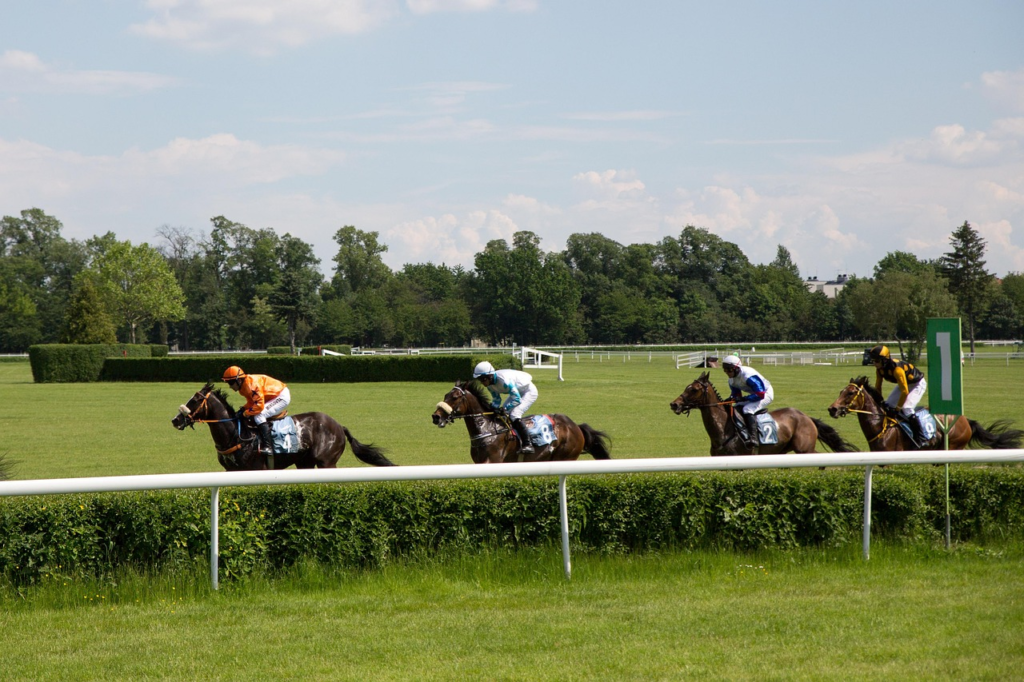 The Grand National has built a reputation as one of the standout horse racing events in Europe, and it’s easy to see why. Each year, it draws together some of the best jockeys, experienced trainers, and well-prepared horses, all competing on a course that is instantly recognisable to racing fans.