April 2026

Where to Find the Best Kentucky Derby Odds in the UK

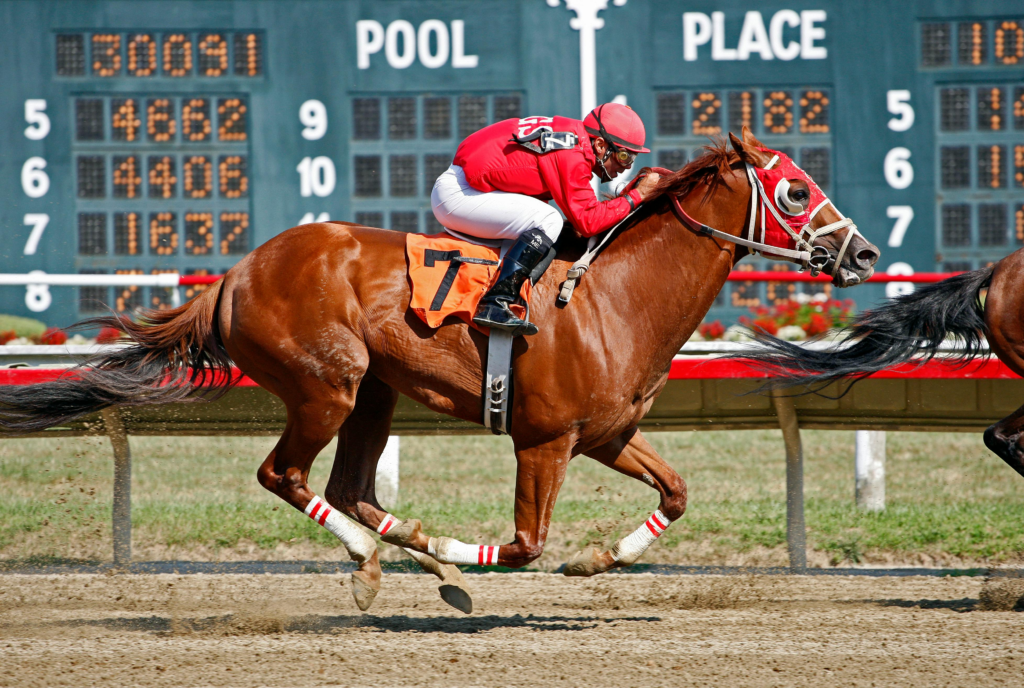
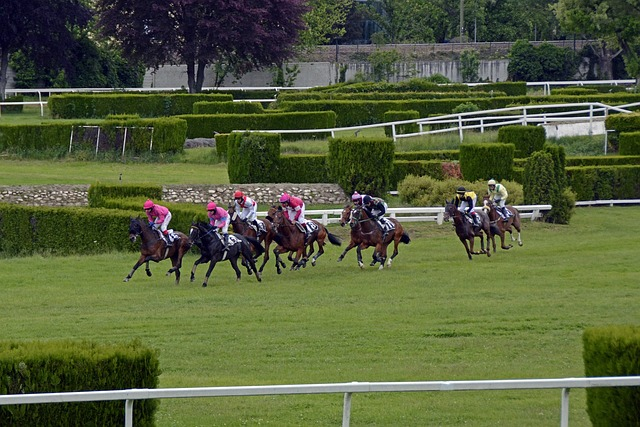
Image Showing A Jockey Riding A Brown Horse The Kentucky Derby does not feel like a normal American race dropped onto a UK betting page. It feels louder, stranger, and more chaotic. Churchill Downs has its own mood: dirt in the air, a packed grandstand, three-year-old horses still learning their trade, and a one-and-a-quarter-mile trip where a poor break can wreck even the best prepared campaign.

Part of the charm comes from its rich history. Aristides won the first Derby in 1875, but the race has never stayed frozen in old racing books. Secretariat turned it into legend.

American Pharoah brought back the Triple Crown dream. Justify followed with his unbeaten run. Then came newer stories, from Rich Strike’s shock win to Mage, Mystik Dan and Sovereignty adding fresh names to the roll of honour.

For UK racing fans, the Derby has a different edge. This is not Cheltenham with a later start time, or Epsom with American branding. Dirt racing has a sharper rhythm. The early speed can be brutal. The first turn can become a traffic jam. A horse with all the classes in the world still needs room, timing, and nerves.

Compare Kentucky Derby Betting Sites Before Race Week

A sensible starting point is a dedicated comparison of Kentucky Derby betting sites.The page brings together UK-facing bookmaker options, welcome offers, rating-style comparisons, odds notes, payment details, bet types and a useful glossary for Derby-specific language.

For the reader, the value of a comparison page is not only the headline free bet. It saves time. Instead of opening six accounts, scanning footer text, checking payment exclusions, then hunting for the international racing tab, you can see which sites are actually built for horse racing customers.

A decent racing book should make the Derby easy to find, price the main contenders promptly, support common payment options, and display offer terms without making you dig through three layers of small print.

Still, use comparisons as a launchpad, not a final verdict. Odds move. Promotions expire. Each-way terms change once the field firms up. Open the bookmaker, check out the live market, read the offer rules, then compare the exact same horse across a few brands before staking.

Why the Kentucky Derby Feels Different for UK bettors

British punters usually read races through turf form, trainer patterns, festival clues and familiar UK racecourses. The Kentucky Derby asks for another kind of eye. Pace matters earlier. Track position can decide more than reputation. The best horse on paper still has to survive the noise, the kickback and the squeeze into the first bend.

UK odds can also feel less deep earlier in the season. With a major domestic race, every leading bookmaker is usually awake from months out. With the Derby, some firms wait until the prep races sharpen the picture. Others price the market early, but with a wider margin because the final field still needs to settle.

This is why patience matters. An early fancy may look overpriced in February, then drift after a poor prep run. A closer may shorten once pace maps suggest a meltdown up front. A Japanese, European or lightly raced US contender can move quickly if the racing media latches onto a storyline. The best price often appears before the wider public has made up its mind.

What the “Best Odds” Really Means

The best odds sound simple but racing markets rarely work in one straight line. A 12/1 price may beat 10/1 if you only care about the win. For an each-way punter, 10/1 with better place terms may be stronger than 12/1 with a thin place offer. The shape of the bet matters as much as the number beside the runner.

Ante-post odds can look generous because you are taking extra risks. If your horse misses the race, most ante-post bets lose unless the bookmaker has added non-runner no bet terms. Those terms usually arrive closer to the event, once the field becomes clearer. In exchange for extra safety, the available price may be shorter.

Race-day odds bring a different benefit. More bookmakers are active, trading volume improves, and exchanges may give a clearer view of market confidence. You may lose the early fancy price but gain a more reliable sense of the final draw, track condition, jockey bookings, and late stable mood.

Where UK Punters Usually Find Derby Markets

Start with mainstream UK bookmakers with established horse racing products. Look under “Horse Racing,” then check out “International,” “USA,” or sometimes a dedicated “Kentucky Derby” event hub. Some books add the market months ahead, while others wait until the final prep-race cycle.

Betting exchanges will also help, especially closer to post time. A big number means very little if only a few pounds are available, but a liquid exchange market can reveal how serious money is reacting. Odds comparison tools are useful too. They are not perfect, and some markets lag, but they can reveal a clear outlier.

When one bookmaker is 16/1 and the pack sits at 10/1, you have found either a genuine opportunity or a stale price. Either way, it deserves a second look. And remember, when choosing a horse to bet on, consider the riding style, which can make a huge difference around the Kentucky Derby.

Bonuses Can Help, but the Terms Decide the Value

A free bet can improve the feel of a Derby wager, especially for a new account, but the offer only has value if the rules suit your plan.

Remember to check the minimum stake, minimum odds, eligible markets, expiry window, payment exclusions and whether free bet stakes are returned with winnings. Some horse racing offers look strong at first glance, then become less useful once you notice a short expiry or narrow qualifying rule.

The Gambling Commission advises British consumers to check the license status and review offer restrictions before transferring money into a gambling account. It also provides a public register for licensed gambling businesses.

For Kentucky Derby betting, this matters even more because some readers arrive through a once-a-year event rather than regular racing habits. Avoid any operator without clear licensing details, visible terms, responsible gambling tools and secure payment information. A slightly better price is not worth a weak account experience.


I Am Maximus’s Grand National win marks the beginning of a new legendary era at Aintree

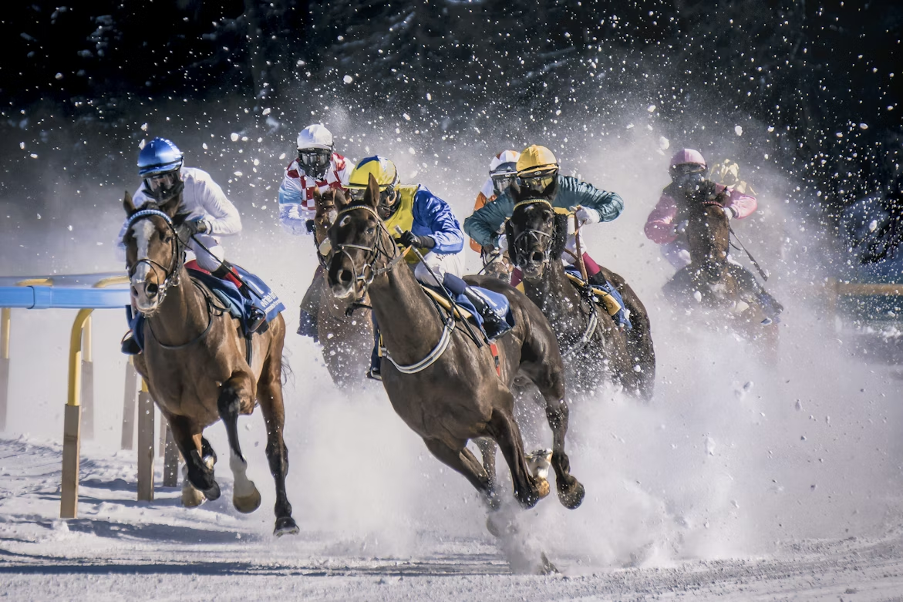
The Grand National now has a winner whose name stands for more than just a single day’s result. Maximus’s 2026 victory brought the Aintree crown back to him. With Paul Townend as jockey and Willie Mullins as trainer, the Irish horse made history by winning again after his 2024 win and a close second in 2025. Winning at such a famous event shows why he is already seen as one of the race’s great champions.

More than just a simple victory

The Grand National stands out from other races. It is not just a horse race; it is a piece of sporting history. Its identity is tied to tradition, endurance, and the epic nature of a contest that has held a special place since the 19th century.

That I Am Maximus has managed to prevail again at Aintree places him in a special category, because it reaffirms his quality in one of the most demanding steeplechases in the world. According to reports published after the race, the horse approached the decisive stages from behind, quickened in the final stretch, and ultimately got the better of his main pursuers in a very tight finish.

This performance shows his ability to keep going when the race gets hardest. I Am Maximus won by judging the pace well, staying strong at the end, and responding when it mattered most. That’s why many see this win as proof he is a complete horse, combining stamina, calm, and finishing power.

A direct nod to history

The real importance of this win comes from its place in history. I Am Maximus is the first horse since Red Rum in the 1970s to win the Grand National, lose it, and then win it back again.

Red Rum is one of the most famous names in the race’s history, so any comparison with him puts a modern horse in rare company.

At a time when performance analysis increasingly relies on statistics and sectionals, the Grand National retains a strong narrative element. It is not enough simply to win; how it is won and the continuity of that success over time also matter. I Am Maximus is the horse who has managed to remain among Aintree’s elite for three consecutive seasons. That competitive thread is what turns success into legacy.

And precisely for that reason, when a horse like I Am Maximus emerges, interest and engagement around the race grow, including in betting markets such as highbet.co.uk, where races of this kind are analyzed due to their enormous international impact.

How the finish played out at Aintree

The 2026 edition delivered a highly intense finish. I Am Maximus found his best stride in the decisive moments to get the better of Iroko, while Jordan also featured among the key protagonists in the closing stages. That only adds further value to the victory. It was far from a procession. It was one of those races in which any small detail can change everything. And that is precisely where the Irish horse showed he has something different.

Another point that highlights this achievement is the numbers. Thirty-four horses started, but only sixteen finished. Just finishing the course is a challenge. Winning is something only a few can do.

The bond with Paul Townend

After the race, Paul Townend spoke about the special bond that can form between a top jockey and a remarkable horse. He described I Am Maximus as having an immense engine, able to keep galloping with rare generosity.

In a race as demanding as the Grand National, having a good horse is not enough. It requires connection, trust, and the ability to read every moment. Townend knew exactly when to ask for an effort and when to wait. And the horse responded by producing his very best precisely when it was most needed.

Willie Mullins continues to make history

Maximus’s win is a big achievement on its own, but it also adds to Willie Mullins’s remarkable career. With this victory, the Irish trainer earned his fourth Grand National win, matching the record of famous trainers like Ginger McCain and Fred Rimell.

Mullins has been established at the very highest level for years, but the Grand National carries a special aura even for the most accomplished figures. It is the race everyone wants to win, the one they watched as children. Continuing to succeed here confirms that his name is now structurally woven into the history of the race.

The owner’s role and the power of a winning team

The story of I Am Maximus is also better understood by looking at the environment around him. The role of JP McManus has been fundamental. Not only because of I Am Maximus, but also because he managed to place three of his horses in the first four. This speaks of a well-established structure, a way of working that combines talent, investment, and a carefully considered strategy. When a team achieves something like this in a race as unpredictable as the Grand National, it is clear there is far more than luck involved.

Not all Grand National winners go down in history. Some have their moment, and that is all. But I Am Maximus has gone further. His consistency at Aintree in recent years has made him something much greater.

In the end, in a race like the Grand National, winning once is not enough. You have to return, compete, and keep going. That’s exactly what Maximus has done.


How to Choose the Right Horse for Your Riding Style

Choosing the right horse is one of the most important decisions any rider can make. Whether you are a beginner or an experienced equestrian, the horse you select will directly impact your comfort, safety, and overall enjoyment. With so many breeds, temperaments, and training levels available, it’s essential to approach this decision carefully. This guide will help you understand how to match a horse to your riding style and goals.
What’s Your Riding Style and Goals

Before you even begin looking at horses, you need to clearly define your riding style. Are you interested in casual trail riding, competitive show jumping, dressage, or perhaps western disciplines like reining or barrel racing? Each discipline requires different traits in a horse.

For example, a calm and steady horse is ideal for beginners or trail riders, while a more energetic and responsive horse may suit competitive riders. Be honest about your skill level—choosing a horse that is too advanced can lead to frustration or even injury.

Also, think long-term. Are you planning to grow and compete, or do you simply want a reliable companion for leisure riding? Your answers will guide your selection.

Consider the Horse’s Temperament and Training

Temperament is often more important than breed. A well-trained horse with a calm and willing attitude can make all the difference, especially for less experienced riders.

Key temperament traits to look for include:

  • Calmness and patience
  • Responsiveness to commands
  • Willingness to learn
  • Consistency in behavior

A “bombproof” horse—one that remains calm in various situations—is ideal for beginners. More advanced riders might prefer a horse with more spirit and sensitivity, as these qualities can enhance performance in competitive settings.

Training level is equally critical. A green (inexperienced) horse requires a skilled rider, while a trained horse can help build confidence and skills.


Research and Learn from Trusted Resources

Before making a final decision, it’s wise to gather as much information as possible. Reading expert advice, watching training videos, and consulting professionals can give you valuable insights into horse selection and care.

One helpful resource is https://horseracingtips.io/, where you can explore additional insights into horse performance, behavior, and industry trends. While the platform focuses on horse racing, it can still provide useful context about how different horses perform under various conditions, helping you better understand equine potential.

You may also consider working with a trainer or experienced rider who can accompany you when evaluating horses. Their expertise can help you notice subtle details you might otherwise miss.

Match the Horse’s Physical Traits to Your Needs

A horse’s physical characteristics should align with your riding style and body type. Size, build, and movement all play a role in comfort and performance.

Important factors include:

  • Height and weight capacity: Ensure the horse can comfortably carry you
  • Build and conformation: Athletic builds are better for jumping and competition, while sturdier builds suit trail riding
  • Gait quality: Smooth gaits provide a more comfortable ride, especially for long distances

For example, taller riders may feel more balanced on larger horses, while smaller riders might prefer more compact breeds. Always test ride a horse to see how it feels in motion.

Evaluate Health and Maintenance Requirements

Owning a horse is a long-term commitment that involves regular care and expenses. Before choosing a horse, consider its health history and maintenance needs.

Ask for:

  • Veterinary records
  • Vaccination history
  • Any past injuries or chronic conditions

Some horses require more specialized care, which can increase costs. Make sure you are prepared for feed, stabling, grooming, and veterinary expenses.

A pre-purchase veterinary exam is highly recommended. It can reveal potential health issues and give you peace of mind before finalizing your decision.

Spend Time with the Horse Before Deciding

Never rush into buying a horse. Spend time observing and interacting with the horse in different situations. Watch how it behaves in the stable, during grooming, and under saddle.

If possible:

  • Ride the horse multiple times
  • Observe it with other riders
  • Test it in environments similar to where you’ll ride

This hands-on experience will help you determine whether the horse truly matches your expectations and riding style.


Choosing the right horse is about finding the perfect balance between your abilities, goals, and the horse’s temperament, training, and physical traits. Taking the time to research, test, and evaluate your options will pay off in the long run.

A well-matched horse not only improves your riding experience but also creates a stronger bond between rider and animal. With patience and careful consideration, you’ll find a horse that complements your style and helps you grow as an equestrian.

Who are Britain’s leading hopes in the Guineas?

The Guineas Festival officially raises the curtain on the flat racing season, with the 2000 Guineas on May 2nd and the 1000 Guineas 24 hours later on May 3rd. Britain has a solid record in the first two Classics of the campaign, and for those interested in betting UK markets ahead of the meeting at Newmarket, the home challenge is well worth monitoring closely.
Charlie Appleby has won three of the last four renewals of the 2000 Guineas, with Andrew Balding claiming the 2023 renewal with Chaldean in between, and Appleby also taking the 2025 1000 Guineas with Desert Flower.

Ireland, while often well represented by Aidan O’Brien, haven’t won either since 2021, when Poetic Flare scored for Jim Bolger in the 2000 Guineas and Mother Earth won for O’Brien and Frankie Dettori in the fillies’ Classic.

Coolmore runners are at the fore of both ante-post markets at the time of writing, but the British challenge is strong. Let’s take a look at the leading contenders.

2000 Guineas

Bow Echo (7/1): George Boughey has already won the 1000 Guineas, and he has a strong chance of adding to his Classic collection with this unbeaten Night Of Thunder colt. Bow Echo won a maiden, the Listed Ascendant Stakes and then the Group 2 Royal Lodge at Newmarket last season, with Boughey viewing him as an out-and-out miler.

Some questioned him last year, given he was taking on stamina types in the Royal Lodge, but the quality of those behind him told a different story. He has reportedly wintered well, and a win here would also mark a first Classic for Billy Loughnane, one of the most exciting young jockeys in the country.

Publish (8/1): Given that he has trained over 3,000 winners worldwide, it’s hard to believe John Gosden has never won the 2000 Guineas. It remains the only British Classic missing from his collection, sitting alongside one 1000 Guineas, two Derby victories, four Oaks and five St. Legers.

Gosden is also yet to win one of the British Classics since his son Thady became joint-trainer, but Publish is their leading hope this year. They’ll be hoping for better than last year, after the well-supported Field Of Gold, who later won the Irish edition, failed to win at Newmarket, with jockey Kieran Shoemark taking the brunt of the blame.

Gewan (10/1): Balding has won the 2000 Guineas twice since 2020, with Kameko one of the standout winners in recent years before Chaldean’s victory three years ago doubled the tally.

Gewan had a good campaign as a two-year-old and was most notably the surprise winner of the Dewhurst, scoring from 25/1 and being crowned European Champion Juvenile. The 10/1 on offer seems a price worth taking for a horse with obvious Classic credentials.

1000 Guineas

Venetian Sun (12/1): Britain’s hand in the 1000 Guineas isn’t as strong, with Venetian Sun the leading home hope at 12/1 joint-third favourite. The Karl Burke-trained filly won four in a row, including a Group 3 at Ascot, a Group 2 at the Newmarket July Festival and the Group 1 Prix Morny at Deauville, where she beat smart colts in Gstaad and Wise Approach.

Her winning run came to an end on her final outing at the Curragh, coming home third behind Precise and Beautify in the Moyglare Stud Stakes. She’ll need to reverse that form on Precise at Newmarket, but on a sound surface at a track she has already shown she handles well, it’s far from impossible.

Burke has never won one of the British Classics, but is a trainer on the rise, with Irish and German 1000 Guineas wins already on his CV.

The Prettiest Star (16/1): Another trainer seeking his first British Classic success, Ed Walker’s The Prettiest Star is next in the betting at 16/1. The filly isn’t as experienced as Venetian Sun, but she has shown enough in her two starts to deserve her place in the 1000 Guineas conversation.

She won a maiden at Nottingham impressively on debut last August, then almost followed up in the Rockfel Stakes, outrunning her 12/1 odds to finish a close second to Zanthos at Newmarket. Before committing to any of the British hopefuls, it’s worth using a betting calculator to weigh up each-way returns at various odds, particularly for the fillies’ race, where the market is less defined at this stage.

If The Prettiest Star has wintered well and arrives at Newmarket ready in her coat, she could improve considerably on what was an encouraging juvenile campaign.


What Past Grand National Winners Can Teach You About Backing Stayers

At 4 miles 2½ furlongs, the Grand National is the longest race in the British jump-racing calendar and one of the sport’s most demanding stamina tests. As the longest jump race domestically, it features 30 fences over two circuits. Success requires a highly specific athletic profile. By distilling what past winners reveal about long-distance Chases, we can formulate the traits needed to prevail at Aintree. Understanding these historical blueprints cuts through the noise, highlighting profiles best suited for maximum stamina and jumping difficulty.

Why the Grand National is the Ultimate Test of a Stayer

What defines a stayer from a typical racehorse is the ability to handle extreme distances with consistent jumping and late-race energy. The Grand National serves as the ultimate lens to understand this profile.


Its unique course presents a different jumping challenge from most staying chases, with distinctive obstacles such as Becher’s Brook and The Chair testing balance, rhythm, and adaptability. Today’s fences use spruce woven into a more forgiving plastic-birch core, which has reduced some of the old severity without removing the need for accurate jumping. The modern race still demands stamina and jumping fluency, but rhythm and pace now matter more than they once did.


A true stayer needs to conserve energy for the closing stages, when the race often begins to unfold in earnest on the second circuit before the final two fences and the long run-in. This demands extraordinary reserves to handle the last two fences and the run-in.

What Recent Grand National Winners Have in Common

Analyzing recent renewals of the Grand National uncovers recurring strands forming a coherent blueprint. Traditionally it favored battle-hardened, experienced runners, but modern course renovations have shifted the ideal profile towards younger, less exposed talent.


Recent winners have tended to be younger, progressive chasers arriving with current-season form and enough racing to be match-fit. These shared characteristics suggest a broad modern pattern: younger, less-exposed stayers often compare favorably with older, more exposed runners.

Age Trends That Matter

Age remains an important factor, with recent winners strongly concentrated in the eight-to-nine-year-old bracket, finding the right balance of physical maturity and jumping experience.


Younger than eight tend to lack the robustness for Aintree’s unique fences (Noble Yeats is a notable exceptional seven-year-old), while older runners suffer statistical disadvantages; No 10-year-old has won the race since Ballabriggs in 2011, Older runners have found it harder to win in the modern era, although age alone should not be treated as an automatic negative.

Why Proven Stamina Keeps Predicting

High-class rating is necessary but not sufficient without proven stamina. Class alone is not enough; horses also need proven stamina for a race run over an extreme trip.


Conversely, the ideal profile includes proven stamina over three miles or further, which is why strong runs in major staying handicaps can be informative. This guarantees both positioning speed and stamina reserves to outlast competition.

What Weight Trends Can Tell You and What They Can’t

Weight trends are often cited but should be regarded as one factor among many. Historically, lower weights were often seen as an advantage, but that pattern has become less rigid in the modern race.


Yet, with the race now compressed due to field size limitations (34 runners), weight ranges between top and bottom horses are narrower. Consequently, classy horses are carrying more weight successfully, with top weights frequently finishing well. While many past winners sat in the middle of the handicap, recent renewals have shown that classier horses can also defy higher weights; it’s unwise to categorically reject heavier burdens.

Lessons From Famous Winners That Casual Fans Miss

Instructive lessons from high-profile winners demonstrate that winning profiles depend on combinations of factors.


  • Corach Rambler: He looked well-treated by handicap standards and came into the race with proven stamina and a targeted preparation.
  • His back-to-back wins in 2018 and 2019 also highlighted the value of tailored preparation, with his cross-country campaign helping to build rhythm, stamina, and jumping sharpness. This combination held despite the heavier weight carried in the second year.
  • Red Marauder: His 2001 victory in bottomless ground conditions shows that sometimes raw stamina and jumping suffices despite adverse form metrics.

Which Trends Are Useful and Which Are Misleading

Distinguishing between genuinely predictive and misleading trends is paramount. Course experience is often overemphasized; many recent winners had not previously run in the Grand National. Likewise, no single trial race should be treated as decisive on its own.


Instead, recent prep runs in competitive staying chases can be more informative than loose assumptions about course form alone. Prioritizing horses with spring ground preference also works well, acknowledging many heavily weighted horses crave extreme winter conditions while Aintree typically offers quicker (yielding) spring ground. Fresh horses excelling on preferred ground provide better filtering criteria than course experience or traditional trials.

How to Spot the Stayers Profile Pre-Race

Some practical checklist points on spotting the stayer profile to eliminate weaker runners:


  1. Has the horse won over three miles? That remains a sensible minimum stamina check for this race.
  2. Look for horses able to hold a workable early position without being used up too aggressively.
  3. Do not default to older exposed chasers; recent winners have often been younger, progressive types.
  4. Look for consistent jumping. A hurdles prep can sometimes help preserve freshness, but it should be treated as a minor angle rather than a major rule.
  5. Avoid pure front-runners—the aggressive start often eats up their energy.
  6. Recent race fitness matters, and most winners arrive with a solid run of current-season form behind them.

Turning Stats Into Better Race-Day Choices

Historical trends lay the groundwork but are best considered alongside race-day context in terms of prices, market moves, bet types, and so forth. Ideal age/weight profiles don’t matter when prices are crushed due to hyped expectations.


When you are ready to apply these insights, remember that trends are most useful when paired with current market context, live odds, and a basic understanding of bet types. For those looking to place a wager, betting on horses is the natural next step to test these profiles against the live market. From a betting perspective, historical profiles are most useful when weighed against price rather than followed blindly. The better approach weighs stayer profiles against actual odds.

Next Step: Use History as a Filter, Not a Shortcut

Past Grand National winners’ profiles provide invaluable blueprints but no single pattern guarantees success. Course/conditions constantly evolve, so history should filter out vulnerable runners, not serve as an absolute shortcut.