Best Sportsbooks with the Widest Range of Betting Markets in 2026

Most bettors don’t realize how much money they leave on the table by sticking with one sportsbook. Sportsbooks with the widest range of betting markets give you access to obscure leagues, niche prop bets, and live markets that shallow sites simply don’t carry. The real challenge isn’t finding a sportsbook; it’s figuring out which sites offer genuine market depth versus padded sport counts with three markets per game. After reviewing dozens of sites across licensing, market coverage, live betting depth, and crypto payment infrastructure, this guide breaks down the five best options worth your attention right now.

The shortlist methodology

Publicly available data formed the backbone of this ranking, pulling from user review sites, official sportsbook pages, industry directories, and operator-specific feature documentation. Every site included had to show a real track record in sports betting, not just a casino side product with a thin wagering tab bolted on.

→ See the full research breakdown

  • BC.GAME – Best for crypto-native sports bettors seeking multi-currency deposits and fast withdrawals
  • ThunderPick – Best for esports and crypto sports betting
  • Winz – Best for cryptocurrency sports betting and casino gaming
  • Gamdom – Best for cryptocurrency sports betting and online gaming
  • Shuffle – Best for cryptocurrency sports betting and gaming

How Sportsbooks With The Widest Range Of Betting Markets Shape Long-Term Betting Outcomes

Picking the wrong sportsbook doesn’t just limit your betting options today; it costs you real value over months of wagering.

When a site only covers mainstream leagues with minimal markets per game, sharp bettors lose the edge that comes from finding value in overlooked corners of the schedule. Finding sportsbooks that cover obscure or niche sports without sacrificing odds quality is genuinely hard, and most sites fail that test quietly.

Figuring out which sites offer genuine market depth versus shallow coverage takes time most bettors don’t spend upfront. A site listing 40 sports means nothing if each event offers five markets while a competitor runs 200 on the same game.

The right choice compounds over time. A sportsbook with strong live betting market counts per match, a high total number of sports and competitions, and a meaningful average number of markets per game gives you more angles to find value, more ways to hedge, and more flexibility to bet how you actually want to.

Top 5 Sportsbooks With The Widest Range Of Betting Markets: Quick Overview

Note: All data in this table is sourced from review sites and the official websites of the listed companies.

Company Name Years Operating Headquartered In
BC.GAME Since 2017 San Pedro, Ambergris Caye, Belize
ThunderPick Since 2015 Belize City, Belize
Winz Since 2020 Not disclosed
Gamdom Since 2016 Willemstad, Curaçao
Shuffle Since 2023 Willemstad, Curaçao
  • BC.GAME – Best for Crypto-Native Sports Bettors Seeking Multi-Currency Deposits and Fast Withdrawals
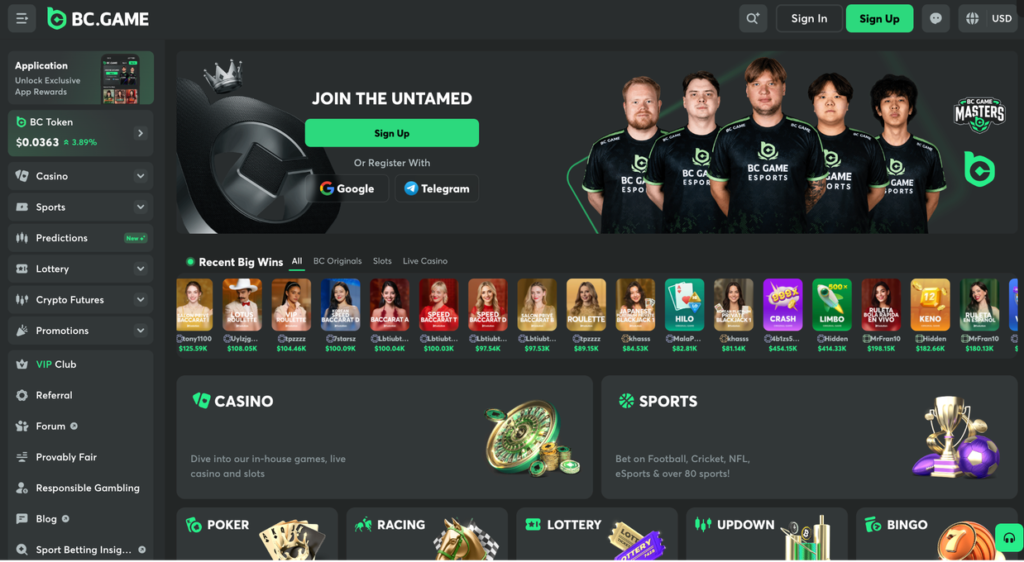
What Is BC.GAME’s Business?

BC.GAME is a crypto-first online casino and sportsbook that has been running since 2017.  The site supports over 150 cryptocurrencies, the widest range in its category. Bettors who want access to sports betting at BC.GAME will find pre-match and in-play markets across 30 to 60-plus sports and esports, all sitting in the same wallet as their casino balance. The BC Engine, launched in April 2026, automatically stakes earned tokens and pays hourly rewards with no tier or wagering thresholds attached.

Why Is BC.GAME Built for Sportsbooks With The Widest Range Of Betting Markets?

Crypto bettors constantly run into friction when sites support only a handful of coins or bury their sportsbook behind a separate account system. BC.GAME removes both problems through 150-plus currency support and single-wallet integration. That kind of setup is rare in offshore crypto sportsbooks, and it means bettors spend less time managing accounts and more time actually placing wagers.

What Real Customers Report:

From what the reviews show, BC.GAME earns an “above average” Safety Index rating on Casino Guru, but withdrawal complaints dominate the feedback across sites, with a 31.6% resolution rate on large payouts being a recurring concern. Players tend to split sharply in their ratings, either enthusiastic about the crypto flexibility or frustrated by payout delays. The Trustpilot situation (suspended after fake review removal) makes it harder to read the real sentiment clearly.

  • ThunderPick – Best for Esports and Crypto Sports Betting
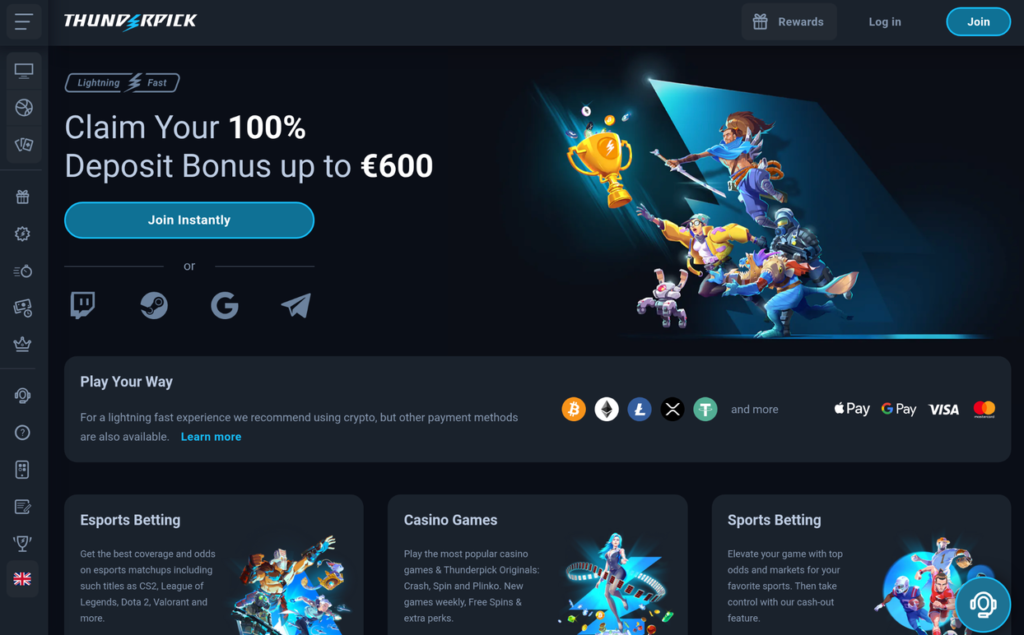
What Is ThunderPick’s Business?

ThunderPick is an esports-first crypto betting site founded in 2015 and licensed under Curaçao regulations. The site covers major esports titles including League of Legends, Counter-Strike, Dota 2, and VALORANT with competitive odds, while also running a traditional sports betting section and over 3,000 casino games. It was built by people who actually follow esports, which shows in the depth of coverage compared to sportsbooks that add esports as an afterthought.

Why Is ThunderPick Built for Sportsbooks With The Widest Range Of Betting Markets?

Esports bettors deal with a specific frustration: most sportsbooks list a few popular titles with shallow market coverage. ThunderPick goes deeper into tournament brackets, player props, and map-level betting that genuine esports fans care about. That focus on market depth within a niche, rather than broad coverage with thin lines, is exactly what separates a useful esports book from a generic one.

What Real Customers Report:

ThunderPick picked up the “Best eSports Bookmaker 2025” award from industry publications, which lines up with what user reviews tend to say about its odds quality and speed. Players consistently mention the site’s performance under load during major esports events as a genuine strength. The million-dollar ThunderPick World Championship sponsorship also signals that this isn’t a fly-by-night operation.

  • Winz – Best for Cryptocurrency Sports Betting and Casino Gaming
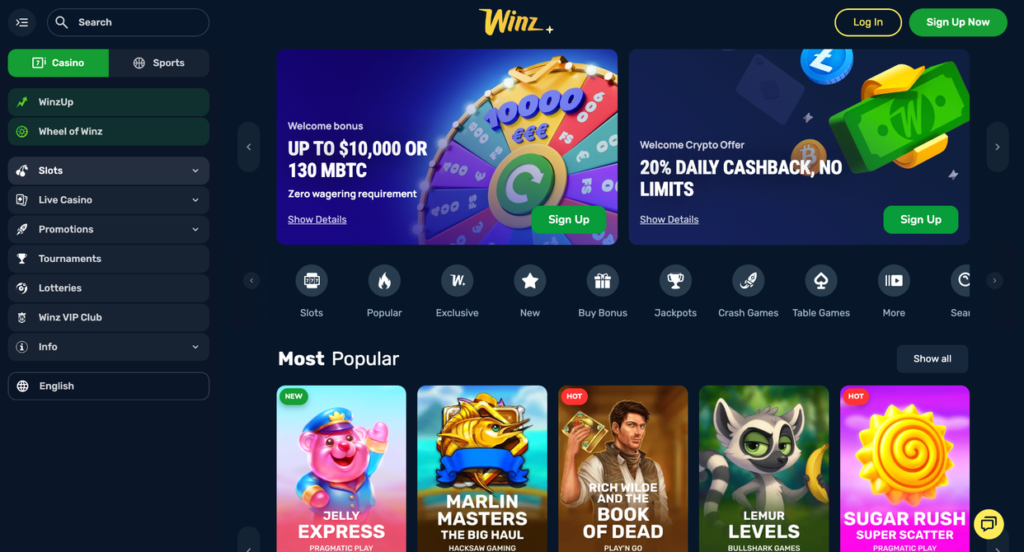
What Is Winz’s Business?

Winz.io launched in 2020 as a cryptocurrency gambling site with over 7,500 casino games and a full sportsbook. It operates under a Tobique Gaming Commission license and works with top game providers including Netent, Pragmatic, Relax Gaming, and Nolimit City. The site supports both crypto and fiat currencies, with SSL encryption and provably fair games adding a layer of transparency that casual bettors and more serious players both seem to care about.

Why Is Winz Built for Sportsbooks With The Widest Range Of Betting Markets?

Sports bettors who also play casino games often lose time and money moving balances between separate sites. Winz addresses that directly by putting both products under one roof with fast crypto withdrawals. Their no-wagering bonus structure is a practical advantage (not just a marketing line), because it means rewards actually convert to usable funds without hidden catch conditions.

What Real Customers Report:

Winz.io was named “Best Online Casino of the Year 2025” by AskGamblers, which gives it real credibility in a space full of self-awarded titles. Players respond well to the transparent bonus terms and the breadth of the game library. Crypto payment speed also comes up repeatedly as a positive in player feedback.

  • Gamdom – Best for Cryptocurrency Sports Betting and Online Gaming
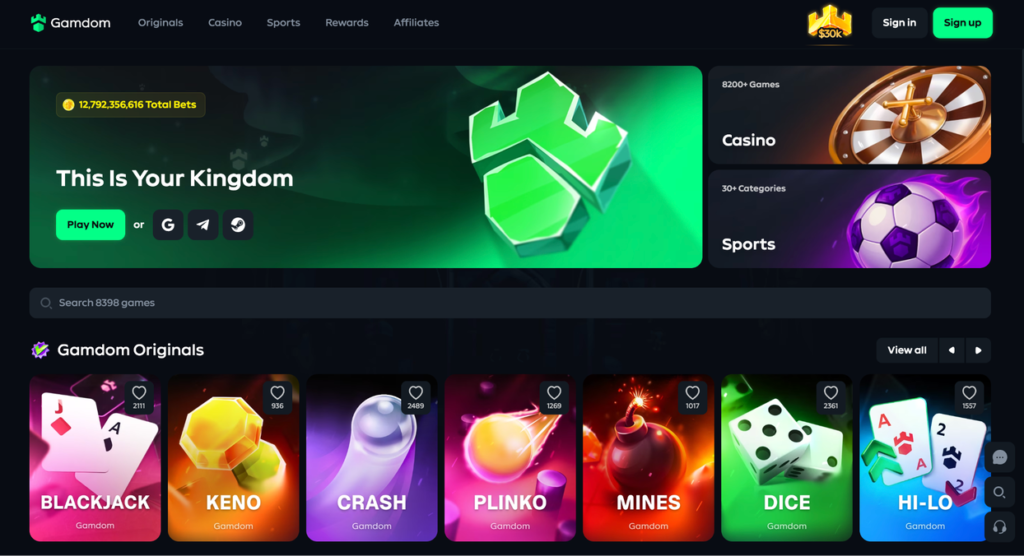
What Is Gamdom’s Business?

Gamdom is a crypto-based gaming site that has been operating since 2016 under the name Smein Hosting N.V. The site runs over 6,000 slots, live casino tables powered by Evolution Gaming and Pragmatic Play, a sports betting section, and proprietary crash-style games. It accepts deposits in ten-plus cryptocurrencies including Bitcoin, Ethereum, Solana, and stablecoins, alongside fiat payment options, giving it broader payment flexibility than many crypto-only competitors.

Why Is Gamdom Built for Sportsbooks With The Widest Range Of Betting Markets?

Bettors who want a single account for sports wagering, live casino, and proprietary games often end up juggling multiple sites. Gamdom’s setup reduces that friction with a genuinely diverse product mix under one login. Eight-plus years of operation means the infrastructure has been tested through real betting volume.

What Real Customers Report:

Public review data on Gamdom is thinner than for some competitors on this list, which makes it harder to build a full picture of how players experience the site. What does come through from available sources is that the game variety and crypto payment options are consistent positives. Players who prioritize proprietary crash games alongside sports betting tend to find Gamdom a natural fit.

  • Shuffle – Best for Cryptocurrency Sports Betting and Gaming
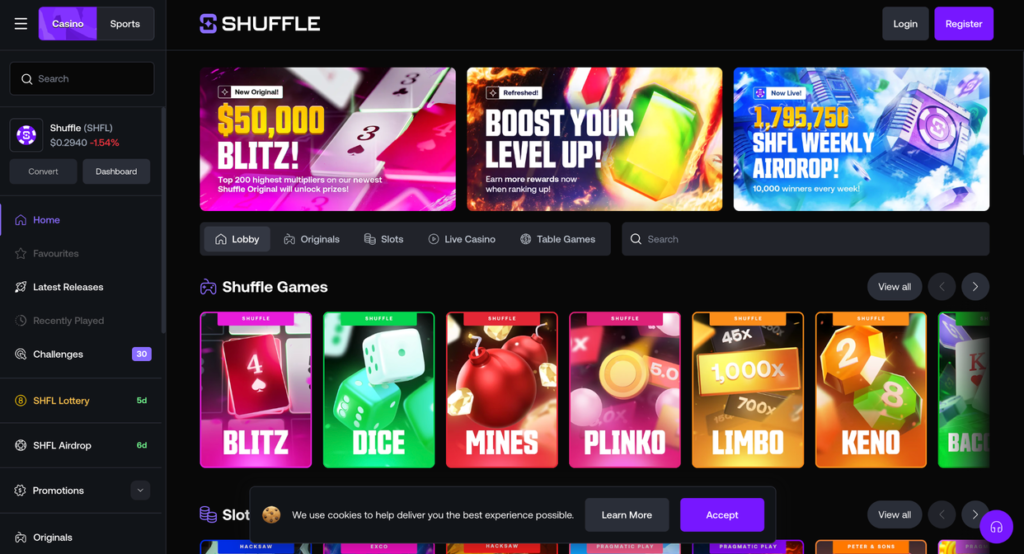
What Is Shuffle’s Business?

Shuffle launched in February 2023 as a crypto casino and sportsbook built around speed, transparency, and a library of over 15,000 casino titles. The site accepts Bitcoin, Ethereum, Solana, USDT, Litecoin, and its native SHFL token, with sub-minute withdrawals that stand out even in a crypto-native field. Despite being one of the newer entrants on this list, Shuffle has reportedly crossed $100 million in annualized net gaming revenues, which suggests it built a real user base quickly.

Why Is Shuffle Built for Sportsbooks With The Widest Range Of Betting Markets?

New sites in this space often sacrifice betting depth to focus on casino growth. Shuffle appears to have built both products seriously from launch rather than treating one as an afterthought. The provably fair verification system adds transparency that matters to bettors who want to confirm the integrity of their wagers, not just take a site’s word for it.

What Real Customers Report:

Shuffle is newer than the other options here, so the public review pool is still growing. From what early data shows, players respond strongly to the withdrawal speed and the breadth of the game library. The $2.5 million in funding and the reported revenue scale suggest the site is attracting real betting volume, not just casual signups.

How These Options Were Tested and Ranked

Data Entry: Establishing the Baseline

The process started by pulling a broad longlist of crypto sportsbooks and multi-sport betting sites from industry directories, user review aggregators, and operator case studies. The goal at this stage was volume, gathering enough candidates to make the eventual shortlist meaningful rather than just selecting from a handful of well-known names. Sites flagged repeatedly across multiple independent sources moved to the next stage of review.

Candidates Under Consideration

From the broader pool, any site without a verifiable operating history or that lacked consistent player feedback across at least two independent review sites was removed. Review patterns were analyzed carefully, looking for recurring themes in what players praised or flagged rather than fixating on aggregate scores alone. Sites where review sentiment was entirely absent or impossible to verify were excluded regardless of how they presented themselves on their own websites.

Validating Each Selection’s Foundation

Each site’s own claims about sports coverage, market depth, and payment infrastructure were cross-checked against what real users reported in reviews and forum discussions. Where a sportsbook claimed a number of sports or markets per event, that figure was tested against player experience reports to check whether the number reflected live betting reality or included inactive or seasonal options. Gaps between claimed features and reported experience were treated as a signal to look more carefully.

Authority and Reputation Check

Industry awards, mentions in established betting publications, and sponsorship activity were reviewed to build a picture of each site’s reputation beyond its own marketing. sites that had received recognized awards (such as ThunderPick’s “Best eSports Bookmaker 2025” or Winz’s AskGamblers recognition) were weighted as having external validation that carries more weight than self-reported metrics. Long-running operation without regulatory action was also factored in as a baseline credibility signal.

The Sportsbooks With The Widest Range Of Betting Markets Evidence Layer

The final filter looked for evidence that each site genuinely serves bettors looking for market depth, not just broad sport counts. Dedicated sportsbook pages, verified reviews mentioning specific markets or live betting features, and case studies or player reports about niche sport coverage were all treated as positive signals. Sites that could only show casino depth without equivalent sportsbook substance were removed from consideration at this stage.

How to Match a Sportsbook With The Widest Range Of Betting Markets to Your Use Case

Choosing the right sportsbook comes down to matching the site’s actual strengths to how you bet, not just picking the one with the longest list of sports on its homepage. Here’s what to check before committing:

  • Industry/Domain Experience: Look for sites with multi-year operating histories in the specific type of betting you care about. An esports-focused bettor gets more from ThunderPick’s depth than from a generalist sportsbook with thin esports coverage.
  • Features and Service: Check whether the site offers live betting markets per match, bet builder tools, cash-out options, and prop bet depth. A high game count means nothing if the markets per event are shallow.
  • Pricing Structure: Compare juice and vig percentages across the markets you actually bet. Tighter lines on your favorite sports make a real difference over a season of wagering.
  • Results Measurement: Look for sites that give you account history, bet tracking, and transparent payout records. You can’t measure your edge without clean data.
  • Industry Knowledge and Compliance: Check licensing status for your region. Geo-restricted betting markets and state or provincial gambling regulations vary widely, and a site’s license (whether UKGC, MGA, or an offshore equivalent) affects both your legal access and your fund protection.

Summary

Market depth matters more than sport count when you’re picking a sportsbook for serious wagering. BC.GAME leads on crypto flexibility with 150-plus currencies and fast withdrawals. ThunderPick wins for esports depth. Winz and Gamdom balance sportsbook access with large casino libraries. Shuffle punches above its age for a site launched in 2023. The crypto sportsbook space is moving fast, and sites that prioritize both market width and withdrawal speed will keep pulling ahead.
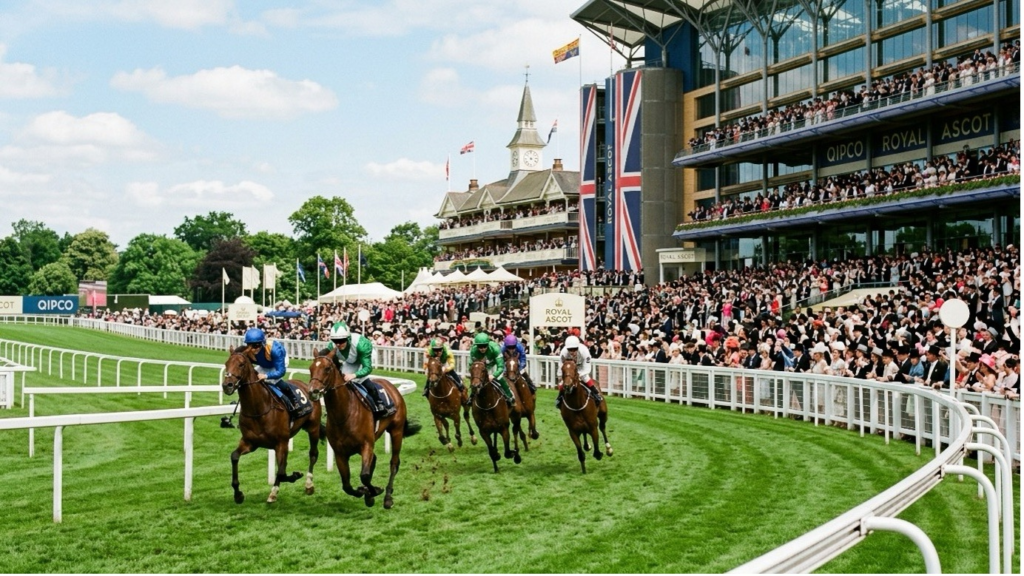
A history of Champions Day since its inauguration

British racing long lacked a settled end to its Flat season. Champions Day at Ascot, five championship races and a big-field handicap staged on a Saturday in mid-October, was built to supply one, and with more than £4m on offer it is British racing’s richest afternoon. The entries are studied for weeks by anyone weighing up Champions Day odds.

Why British racing wanted a finale

The day arrived in 2011 as the climax of the British Champions Series, 35 Group races split into five categories, from sprinting to staying. The model came from abroad: France had the Prix de l’Arc de Triomphe and America the Breeders’ Cup, while Britain’s best horses drifted to those meetings, or into retirement, with no domestic championship to settle. The Qatari investment group QIPCO backed the project and Ascot was handed the finale.

Filling the card meant moving races. The Champion Stakes was taken from Newmarket, where it had run since 1877, and given a £1.3m purse that made it the most valuable race in the country. Attendances across the series rose 7% in its first season, against 3.9% for the season as a whole. The series was wound up in 2025, but the afternoon it led into has outlived it.

The six races on the card

The Champion Stakes over 1m 2f is the centrepiece and the richest of them. The Queen Elizabeth II Stakes, moved from late September, settles the mile championship, the British Champions Sprint Stakes is run over 6f, the Fillies and Mares Stakes over 1m 4f and the Long Distance Cup over 2m. The Balmoral Handicap, a full-field mile handicap, closes the card.

Three were promoted later: the Fillies and Mares to Group 1 in 2013, its prize money doubled, the Sprint in 2015 and the Long Distance Cup in 2025, giving Ascot five Group 1 races on one afternoon.

The races nobody forgets

Frankel supplied the first two. He won the inaugural Queen Elizabeth II Stakes by 4 lengths, then returned the following October for the last start of his career. On soft ground he missed the break, conceded first run to Cirrus Des Aigles, the 2011 winner, and still took the Champion Stakes by 1¾ lengths. Tom Queally rode him, Sir Henry Cecil trained him, and he retired unbeaten in 14.

Two years later Noble Mission, Frankel’s younger brother, won the 2014 Champion Stakes for Cecil’s widow Lady Cecil under James Doyle. Cracksman then won it twice, by 7 lengths from Poet’s Word in 2017 and 6 lengths from Crystal Ocean in 2018, for John Gosden and Frankie Dettori. No other horse has won it twice at Ascot.

Baaeed gave the day a breakthrough and an upset. His 2021 Queen Elizabeth II win, a neck from Palace Pier under Jim Crowley, marked him out. He returned in 2022 unbeaten in 10 starts and finished fourth on soft ground behind Bay Bridge.

The best records on the day

Work through the horse racing results for every renewal since 2011 and two yards stand apart. The Gosden stable at Clarehaven, John’s and latterly John and Thady’s, has 11 wins in the championship races, among them Cracksman’s double, two Queen Elizabeth II Stakes and four Long Distance Cups. Aidan O’Brien has 9, including the Long Distance Cup with Fame And Glory in 2011 and Kyprios in 2024.

No rider has matched Dettori, who won 11 of those races across all five categories. He bowed out of British racing there in 2023 with a double, Trawlerman in the Long Distance Cup and King Of Steel in the Champion Stakes. Hollie Doyle reads well too, winning the Long Distance Cup three years running on Trueshan from 2020 and the 2020 Sprint on Glen Shiel.

Why the day has lasted

Its authority comes from its place in the calendar. It falls after the Arc and before the Breeders’ Cup, catching horses at the end of a full campaign, and it is often the last chance to see a champion before stud. Frankel, Cracksman and Baaeed all had their final day there, which is what gives the card its weight.


The Grand National Sweepstake and Britain’s Love of the Draw

Every April, millions of people who couldn’t name a single jockey or tell you the difference between a hurdle and a steeplechase fence will suddenly have very strong opinions about a horse they’ve never heard of.
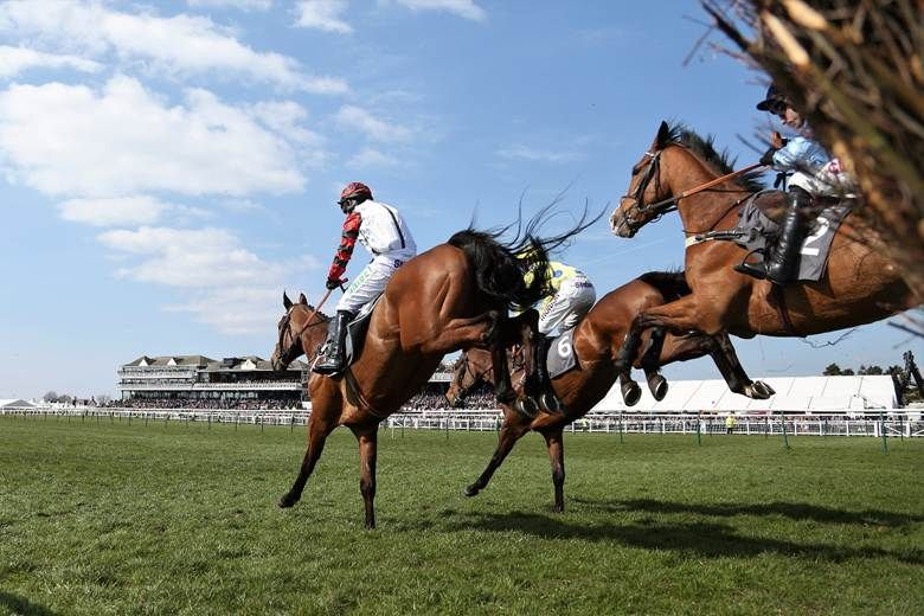
That’s what the Grand National sweepstake does. It takes the biggest race on the British calendar and makes it personal, because once you’ve pulled a name out of a hat and stuck a quid on it, even a 66/1 outsider becomes your horse. But where did this tradition actually come from, and what keeps it legal?

How the Office Sweepstake Works (and Why It Still Thrives)

The format hasn’t changed in decades. Someone in the office prints out slips with the 34 runners, folds them up, and drops them into a hat or an old mug. Everyone pays a fixed amount to draw one. The winner takes the pot, and sometimes second and third will get a cut too. There’s no form study involved, no odds to weigh up. Your colleague who thinks Red Rum is a cocktail has exactly the same chance as the one who reads the Racing Post every morning.

And that’s the whole point. The sweepstake strips away the complexity of racing and turns it into a shared, luck-based experience that anyone can join. Because the stakes are low, usually a couple of pounds, even people who’d never set foot in a bookmaker’s will happily get involved.

Figures from the Betting and Gaming Council suggest around 13 million adults in the UK place some form of bet on the Grand National each year. A big chunk of those are once-a-year punters, and for many of them, the office sweepstake is the only reason they’re paying attention at all.

What the Law Actually Says

Sweepstakes at work are technically a form of lottery, and lotteries in England, Wales and Scotland are regulated under the Gambling Act 2005. But there’s a specific carve-out called the work lottery exemption that keeps most office sweepstakes on the right side of the law, provided a few conditions are met.

The main rules are simple enough: everyone involved has to work at the same single location, every penny collected has to go back out as prizes, and the organiser can’t take a cut or make any profit from running it. You also can’t advertise it beyond your own workplace. Get those bits right, and you won’t need a licence.

It does catch some people out, though. If your company has offices in Manchester and Bristol, for example, you can’t run one sweepstake across both. Each site has to do its own. And hybrid working has made this murkier, because the exemption was written with a physical office in mind, not a Slack channel.

The Sweepstake Instinct Beyond Race Day

The Grand National sweepstake endures because people genuinely enjoy a shared, low-stakes gamble with a group they know. You pick at random, you compare what everyone else got, and you follow the race together. It’s social before it’s anything else.

That same instinct shows up in other places too. The rise of online competition prizes has carried a similar kind of energy, with friends comparing tickets and results the way office workers once huddled around a printout of the Aintree runners. The mechanic is different, but the draw, the luck, the comparing of results, and the group chat afterwards all hit the same note.

One Race, Millions of Stories

The Grand National sweepstake has never really been about the money. It’s about the moment someone who drew a 33/1 shot starts screaming at the television, or the look on the face of the person who pulled the favourite and watched it refuse at Becher’s Brook.

Those moments have played out in offices, pubs, living rooms and WhatsApp groups for generations. And they’ll keep happening for as long as someone remembers to bring the hat.

Set Your Stake Before the Off: Prepaid and Voucher Betting for Festival Week

Prepaid and voucher betting means loading a fixed sum onto your account before a single race runs, so the size of your festival budget is decided at home, not at the rails. For punters heading into the three-day Aintree meeting, that single decision – made before Ladies Day, before the Grand National itself, before the first each-way flutter goes down – removes the guesswork left wide open by debit-card betting.


What Prepaid Betting Actually Means

A prepaid voucher is a physical or digital code purchased for a specific value, redeemed at a bookmaker as a deposit. Unlike a debit card, which draws directly from a live current account, a voucher carries a ceiling: once the code is spent, the account holds no further funds until another voucher is bought. This structural limit is the entire appeal. Festival week, with its rolling card of races and its long racing afternoons, creates repeated moments to top up a card-linked account without noticing the running total. A voucher removes that friction point entirely.


Why a Three-Day Meeting Rewards a Fixed Budget

The Grand National meeting runs across three consecutive days, each with a full card of races and its own centrepiece event. That structure multiplies the number of individual betting decisions a punter makes compared with a single race day, and each decision is an opportunity to stake more than originally planned. A voucher purchased on the Tuesday before travelling covers Thursday’s opener, Friday’s Ladies Day card and Saturday’s National itself, with the spending decision locked in three days ahead of the action rather than revisited race by race.


How a Voucher Deposit Works, Step by Step

The mechanics are consistent across most UK-facing bookmakers:


  1. Buy a voucher for a set value, either in person at a participating retailer or as a digital code purchased online.
  2. Enter the unique code – typically 16 digits for Paysafecard – into the bookmaker’s deposit screen under the voucher or prepaid payment option.
  3. The value transfers instantly to the betting account, ready to stake against Thursday’s opening card through to Saturday’s National.
  4. Any unused balance stays in the betting account, not on the voucher, so a single code can’t be reused or split across sites once redeemed.
  5. Winnings are withdrawn separately, usually to a bank account or e-wallet, since vouchers themselves are a one-way deposit method.


Prepaid Systems Compared

Several voucher and prepaid routes serve UK bettors, each with a slightly different profile:


  • Paysafecard – the most widely accepted voucher system among licensed bookmakers, bought in fixed denominations from newsagents, supermarkets and online resellers.
  • PayPoint vouchers – redeemable at thousands of UK convenience stores, useful for punters without online banking access.
  • Prepaid debit cards – reloadable cards that function like a bank card but with a spending cap set by the cardholder in advance.
  • E-wallets funded by voucher – digital wallets topped up with a voucher code, then used to fund multiple betting or gaming accounts from one balance.


Each option shares the same underlying principle: money enters the betting ecosystem in a predetermined amount, with no direct line back to a current account or credit facility.


Setting Your Stake Before the Off: A Practical Method

The phrase “set your stake before the off” describes a specific habit, not just a payment method. It means fixing the total festival budget before the first race and treating the voucher value as the entire betting allowance for all three days, not a top-up mechanism.


A workable approach for the meeting looks like this:


  • Decide the total sum that’s affordable across the three days, with the National itself as the highlight bet.
  • Buy a single voucher for that amount rather than several smaller ones, which closes the temptation to “just get one more” between races.
  • Split the balance mentally by day – roughly a third for Thursday, a third for Friday, and the largest portion reserved for Saturday’s National card.
  • Treat a depleted voucher as the end of the betting day, not a signal to reach for a debit card.

Prepaid Vouchers and the Wider Payment Landscape

Voucher-based deposits extend beyond racing into online casino play, and the two often share the same infrastructure. Punters who fancy a spin on the slots or a hand of blackjack once the last race of the day has been run will find that several Paysafe casinos accept the identical 16-digit PIN system used for sports betting, meaning a single voucher purchase can cover both disciplines without a bank card ever entering the equation. This crossover matters during festival week specifically, when race-day excitement often carries into an evening session, and a shared prepaid balance keeps that spillover contained within the same fixed budget rather than opening a second spending channel.

Responsible Gambling Built Into the Payment Method

Prepaid betting doubles as a practical responsible gambling tool, not merely a convenience. A voucher enforces a hard spending ceiling by design, which achieves several things a debit card cannot:


  • It removes the ability to chase losses mid-race, since no further funds exist once the voucher balance is spent.
  • It keeps festival spending separate from household current-account funds, making the true cost of the meeting visible in one transaction rather than scattered across several card payments.
  • It supports pre-commitment, a recognised safer-gambling principle in which the spending decision is made in a calm state, well ahead of any in-the-moment excitement.


Punters who want additional structure alongside voucher betting can pair it with a bookmaker’s own deposit limit tools, available on every UK-licensed site under account settings.

Setting the Stake Before Aintree

Festival week rewards preparation as much as it rewards form study. Deciding the betting budget before the first race at Aintree, loading it onto a single voucher, and treating that balance as the full allowance for Thursday through Saturday turns three days of racing into a controlled, enjoyable event rather than a running tally that only adds up once the National is over.

Why elite jockeys almost never swap the flat for jumps

Tony McCoy spent two decades as the dominant force in jump racing, riding over 4,000 winners before he retired. In all that time, no flat jockey of comparable standing made the move across to join him. The crossover between the two codes, at elite level, is practically non-existent.

It is not that flat jockeys lack the talent. Ryan Moore, William Buick, Oisin Murphy, and Frankie Dettori are among the finest riders in the world. But elite flat jockeys almost never switch to National Hunt, and the reasons are more structural than most people realise. For anyone browsing the best bets for the weekend’s races, it helps to understand that the jockeys riding in those meetings almost never started their careers over obstacles, and almost none of them ever will. Constitution Hill’s move in the opposite direction made headlines in February 2026 for exactly that reason.

Here’s a look at why the crossover is so rare, and what makes the two codes so different in practice.


The weight problem

The most immediate barrier is physical. Flat jockeys typically ride at between 8st 7lb and 9st 5lb, maintaining that frame over an entire career through strict dietary control. Jump jockeys ride at higher weights, sometimes 10st 7lb or above, and the National Hunt calendar runs through winter months that take a considerable physical toll. A jockey who spent years keeping below nine stone would need a significant physical transition to compete over jumps, and most are not built for it.


The riding style is a different discipline

On the flat, the job is about positioning, timing, and extracting maximum speed from a horse over a set distance without obstacles. Jump riding requires the jockey to manage a horse over fences or hurdles, often for three miles or more, through changing ground conditions and crowded fields. The physical demands are entirely different, and jockeys who have not grown up schooling horses over obstacles are at a significant disadvantage. It takes years to develop the instinct for placing a horse correctly at a fence.


The commercial reality

Top flat jockeys earn substantial retainers. Ryan Moore has ridden as a retained jockey for Aidan O’Brien and Coolmore for much of his career. William Buick has long been associated with Godolphin. These arrangements carry guaranteed income that jump jockeys at comparable profile rarely command.

The flat season also runs from spring through autumn, which means jockeys can ride internationally in Hong Kong, Australia, or the Middle East through the winter. The jump season runs through the worst of the British and Irish weather, with all the physical risk that entails.


The risk calculation

Serious injury is more common in jump racing. McCoy suffered broken bones on a near-annual basis throughout his career. Falls over fences happen at speed and at height, and a horse that fails to clear an obstacle creates a significantly more dangerous situation than a bump on the flat. For a jockey who has reached the top of the flat game, the financial and physical arithmetic rarely adds up in favour of switching codes.

1 2 3 4 … 9